Basics of Coffee
Why the Same Coffee Can Taste Different Every Year
An honest conversation about harvest variation, and how factors like rainfall, temperature, and crop cycle affect what ends up in the bag.

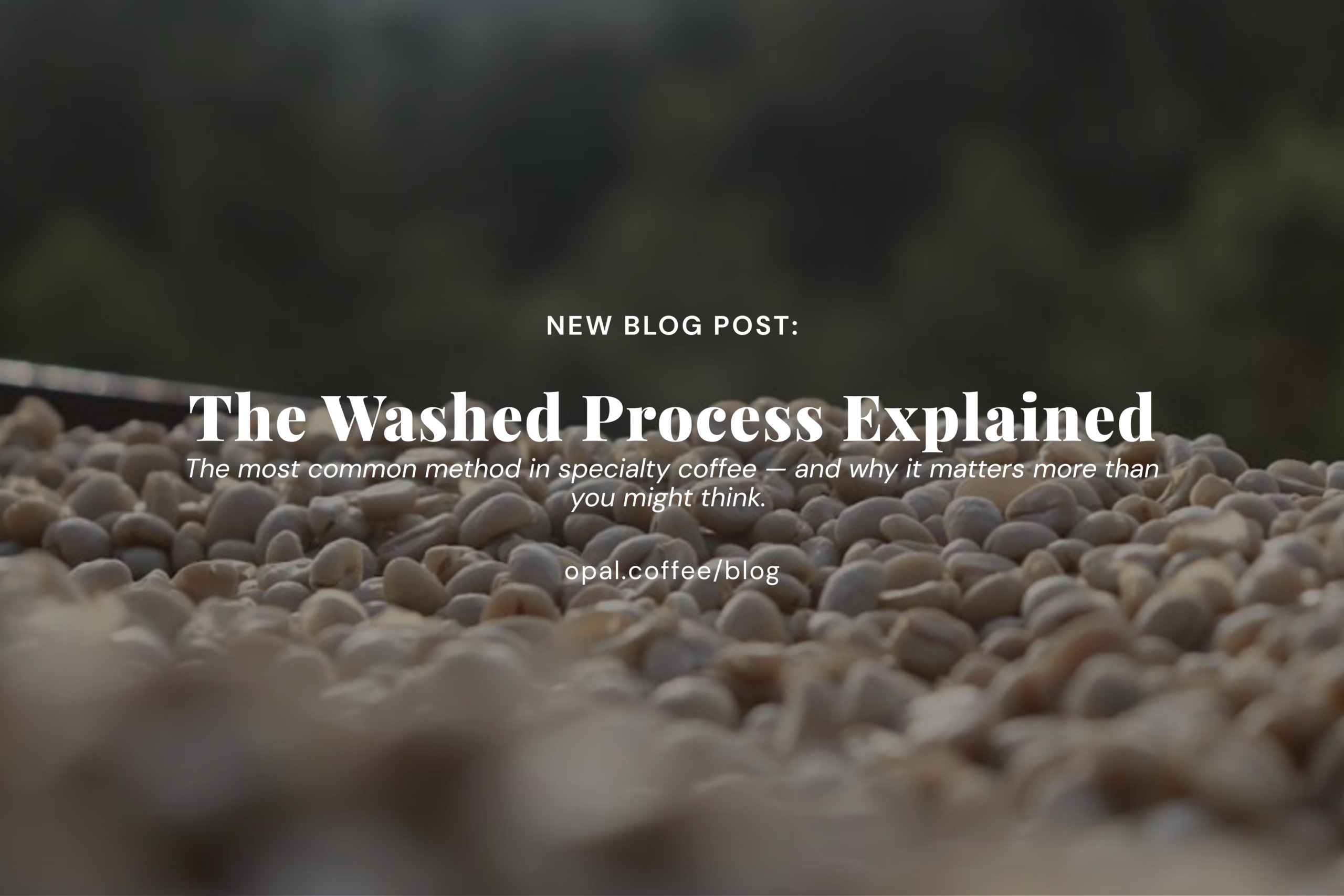
If you’ve been following our processing series, you’ve already heard about carbonic maceration and wet hulling — two methods that sit at the more experimental or regional end of the spectrum. This one is different. The washed process is the bedrock of specialty coffee. It’s the method most roasters have in their lineup, whether they’ve thought deeply about it or not.
But ‘washed’ gets treated as the default, the baseline, the unremarkable one. And that’s a bit unfair. When it’s done well, a washed coffee is one of the most transparent and expressive things in the cup.
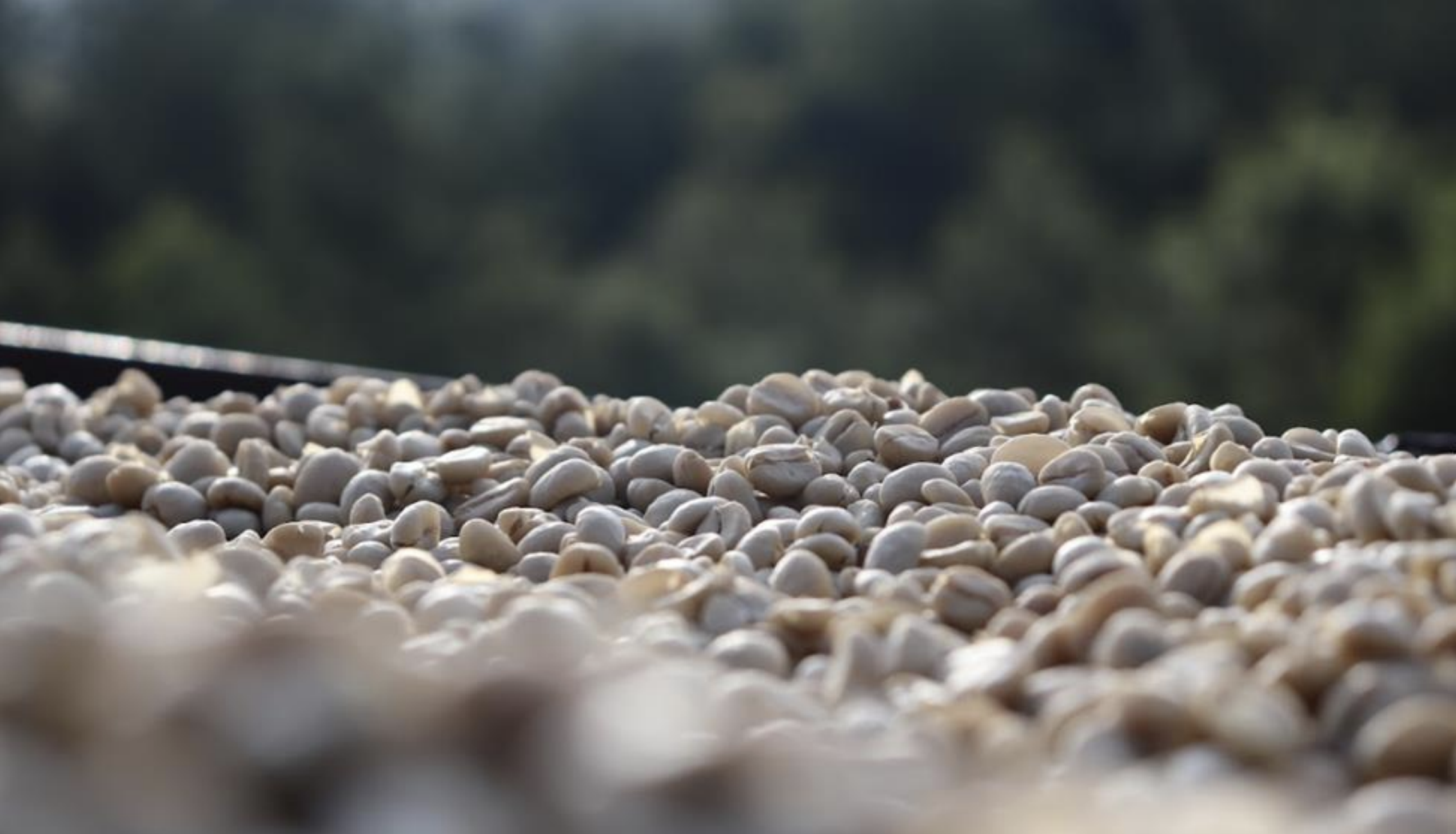 Credit: Kenya Gatina Factory
What is the washed process?
The washed process — also called the wet process — is a method of processing coffee in which the fruit surrounding the seed is removed before drying. The cherry is picked, pulped to strip the outer skin, and then fermented to break down and wash away the remaining mucilage (the sticky, sugary layer that clings to the parchment). Once clean, the beans are dried — usually on raised beds — before milling and export.
The key distinction from natural or honey processing is that in a washed coffee, the seed spends almost no time in contact with the fruit. What you taste in the cup comes almost entirely from the bean itself — the variety, the terroir, the altitude. Nothing is masked or added.
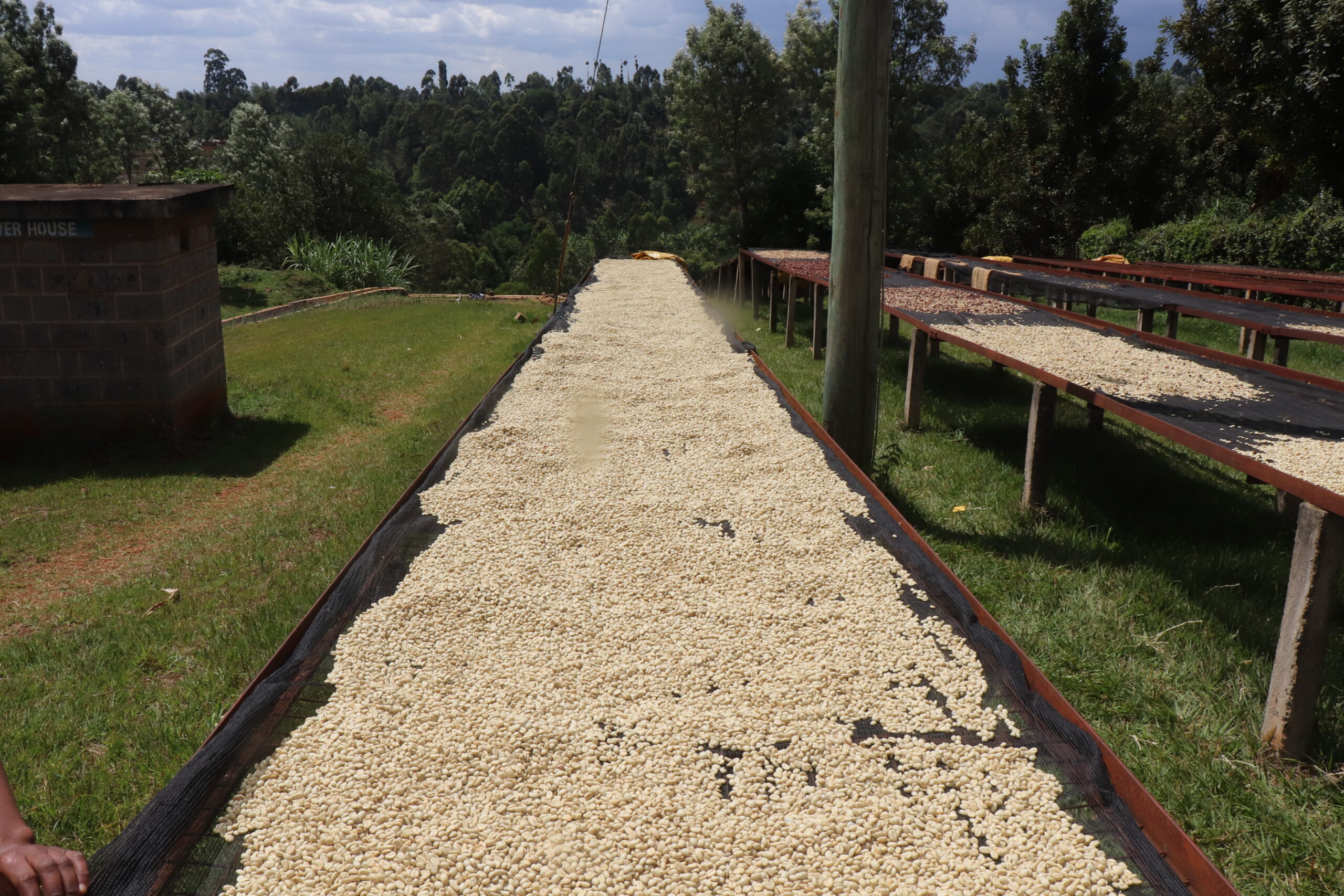 Credit: Kenya Riakuberu Factory
How does the process actually work?
Here’s the step-by-step. It’s more involved than the name suggests.
What does a washed coffee taste like?
Clean. Bright. Precise. These are the words that come up again and again with well-processed washed coffees.
Because the fruit is removed early in the process, there’s very little residual sweetness from the cherry influencing the final cup. What that gives you instead is a direct line to the coffee’s origin characteristics. A washed Ethiopian Yirgacheffe will show you jasmine, bergamot, and bright citrus — those flavours aren’t added by the process, they’re revealed by it. A washed Kenyan will push its characteristic red currant acidity right to the front of the cup.
This is why the washed process is so closely associated with transparency. It doesn’t add flavour — it gets out of the way.
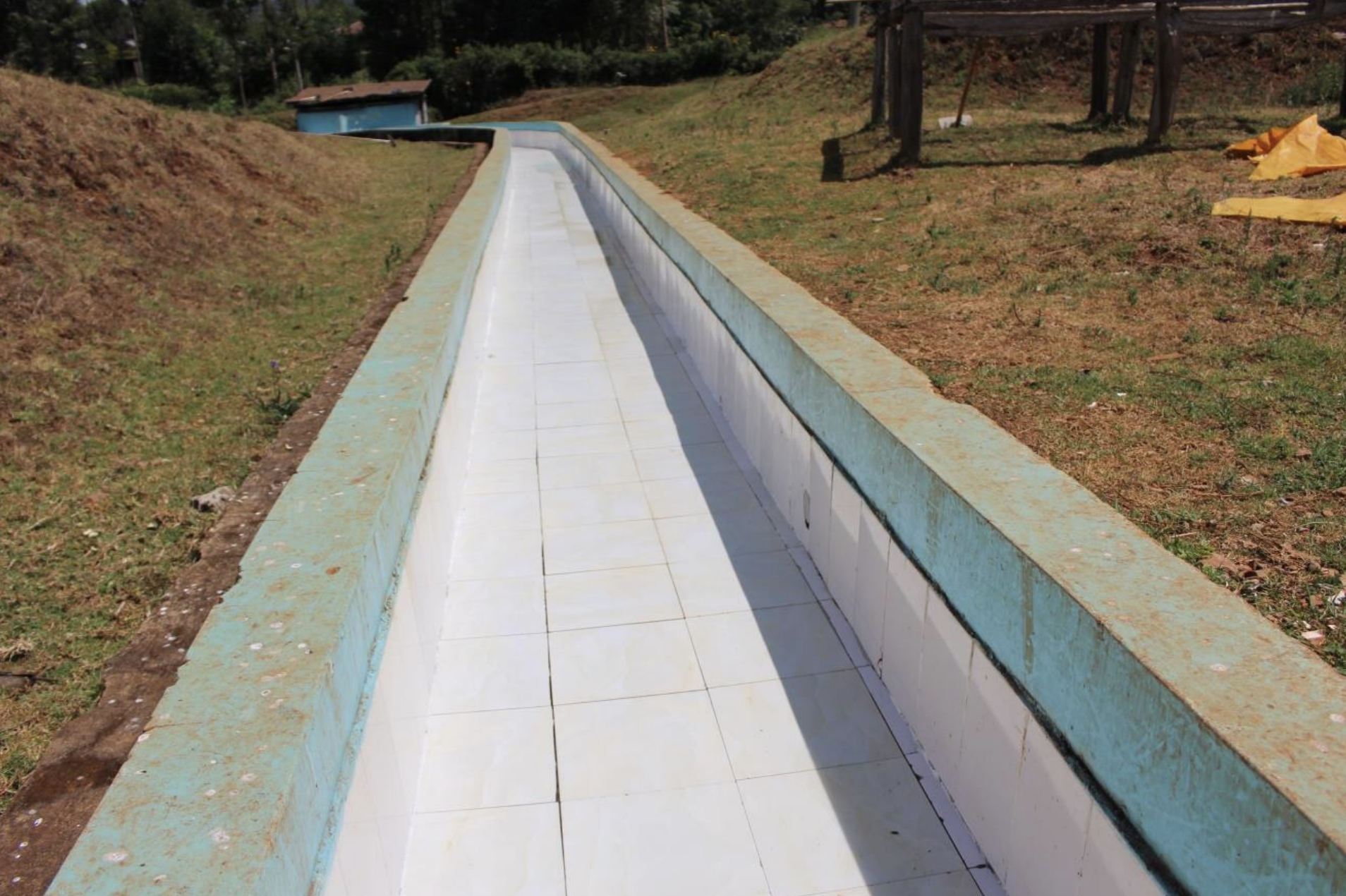 Credit: Kenya Kabingara Washing Channels. Kabingara Factory.
Where does the washed process dominate?
Good question. It’s not universal, and geography plays a big role.
Ethiopia and Kenya are arguably the spiritual homes of the washed process in specialty coffee. Both produce some of the most expressive washed lots in the world, and their coffees have helped define what ‘clean’ tastes like to generations of roasters and consumers. Central America — Colombia, Guatemala, Costa Rica — is also overwhelmingly washed, largely because the infrastructure (water access, washing stations, raised drying beds) has been built around this method for decades.
In contrast, Brazil leans heavily natural, and Indonesia has its own distinct wet-hulled approach — a method we covered in a previous post. The process you’ll find on a spec sheet is always worth paying attention to. It’s one of the most reliable signals for what to expect in the cup.
Fermentation — the detail that makes or breaks it
Fermentation is where a lot of the nuance sits in washed processing, and it’s also where things can go sideways if it’s not managed carefully.
The goal of fermentation in a washed coffee is primarily mechanical — breaking down the mucilage so it washes off cleanly. But fermentation also contributes to flavour. Duration, temperature, water quality, altitude, and the microbial environment of the washing station all play a role. A producer fermenting at high altitude in cool temperatures will get a very different result to someone fermenting in lowland heat.
Over-fermentation is the main risk. If the coffee sits too long, you get a ferment or vinegar note — a defect that’s immediately recognisable and very difficult to hide. Under-ferment, and the mucilage doesn’t wash clean, leaving behind a coating that can cause inconsistency in drying and muted flavours in the cup.
The best producers test their ferments constantly, checking by feel and smell. It’s a skill that takes years to develop, and when it’s done well, it’s invisible — which is exactly the point.
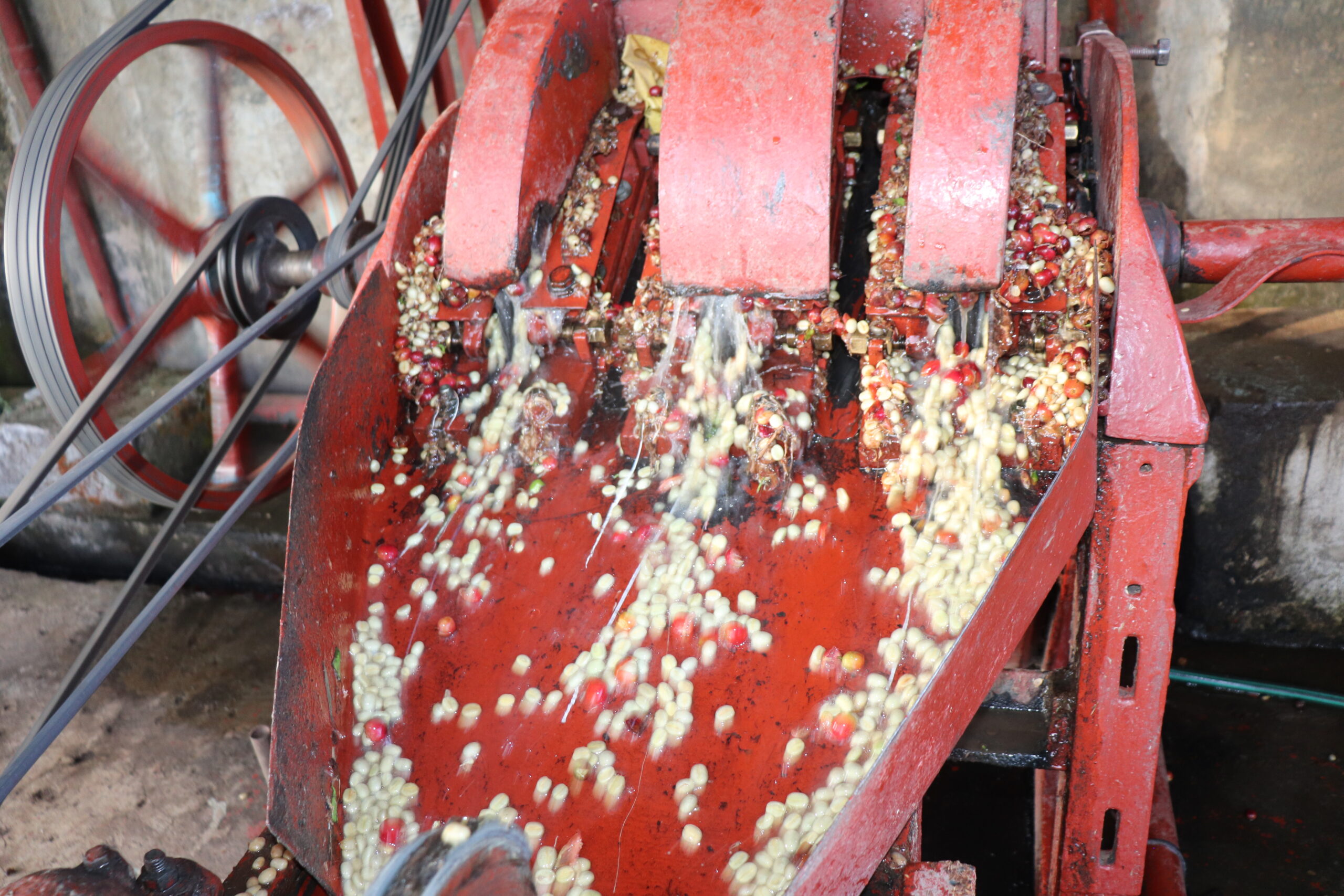 Credit: Kenya Riakuberu Factory
Washed vs. natural vs. honey — which is better?
Neither. That’s the short answer.
Process preference is often a reflection of what a roaster or consumer values in the cup. If you want fruit-forward sweetness and complexity, you’re probably drawn to naturals. If you want a coffee that tastes like where it was grown — defined by variety and terroir — washed is often your best route. Honey sits somewhere in between, retaining some of the fruit’s influence without going the full natural.
What matters more than process preference is execution. A poorly managed natural will taste fermented and muddy. A well-executed washed will be some of the most precise, interesting coffee you’ll taste. The process doesn’t determine quality — but how well it’s done absolutely does.
Why it matters for roasters
If you’re sourcing green coffee, understanding the process helps you buy better and communicate better — both with your suppliers and with your customers.
Washed coffees typically have lower moisture content variability and a more predictable roast than naturals, which can hold more residual fruit sugars and moisture unevenness. For roasters developing profiles, that consistency is genuinely useful. Knowing a coffee is a clean, well-processed washed lot sets your expectations for how it will behave in the drum.
It also gives you something to talk about. The washed process has a story — the care taken at the washing station, the precision of the ferment, the weeks on raised beds. That’s worth putting on the bag.
The washed process might not have the drama of carbonic maceration or the wild complexity of a natural, but it’s the foundation that most specialty coffee is built on. And when it’s done right — really right — nothing else shows you a coffee’s true character quite like it.
If you want to explore some of our current washed lots, get in touch with the team:
An honest conversation about harvest variation, and how factors like rainfall, temperature, and crop cycle affect what ends up in the bag.
High altitude, diverse microclimates, and a coffee culture built over generations. Colombia isn’t just an origin — it’s a category of its own.