Basics of Coffee
Origin Deep Dive: What Makes Colombia’s Green Coffee Unique
High altitude, diverse microclimates, and a coffee culture built over generations. Colombia isn’t just an origin — it’s a category of its own.
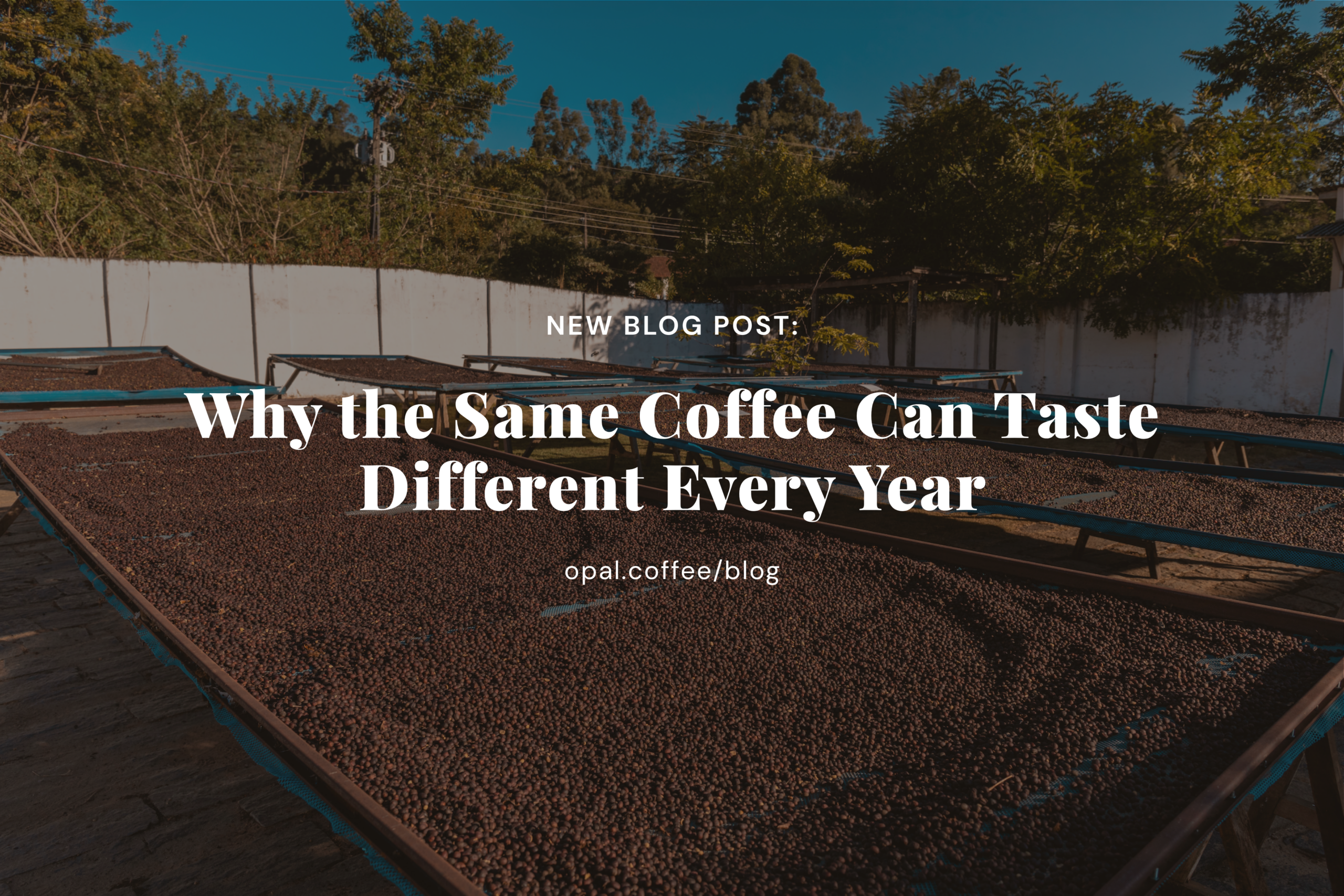
You’ve found your coffee. The one your customers keep coming back for. A specific lot from a specific farm — same producer, same region, same name on the bag. You reorder it the following season and something’s shifted. Not dramatically, but enough. The brightness feels a little more subdued. The sweetness has moved. It’s still good, but it’s different.
This is one of the most common conversations we have with roasters. And it’s worth talking about honestly, because the answer isn’t a quality control failure. It’s just coffee.
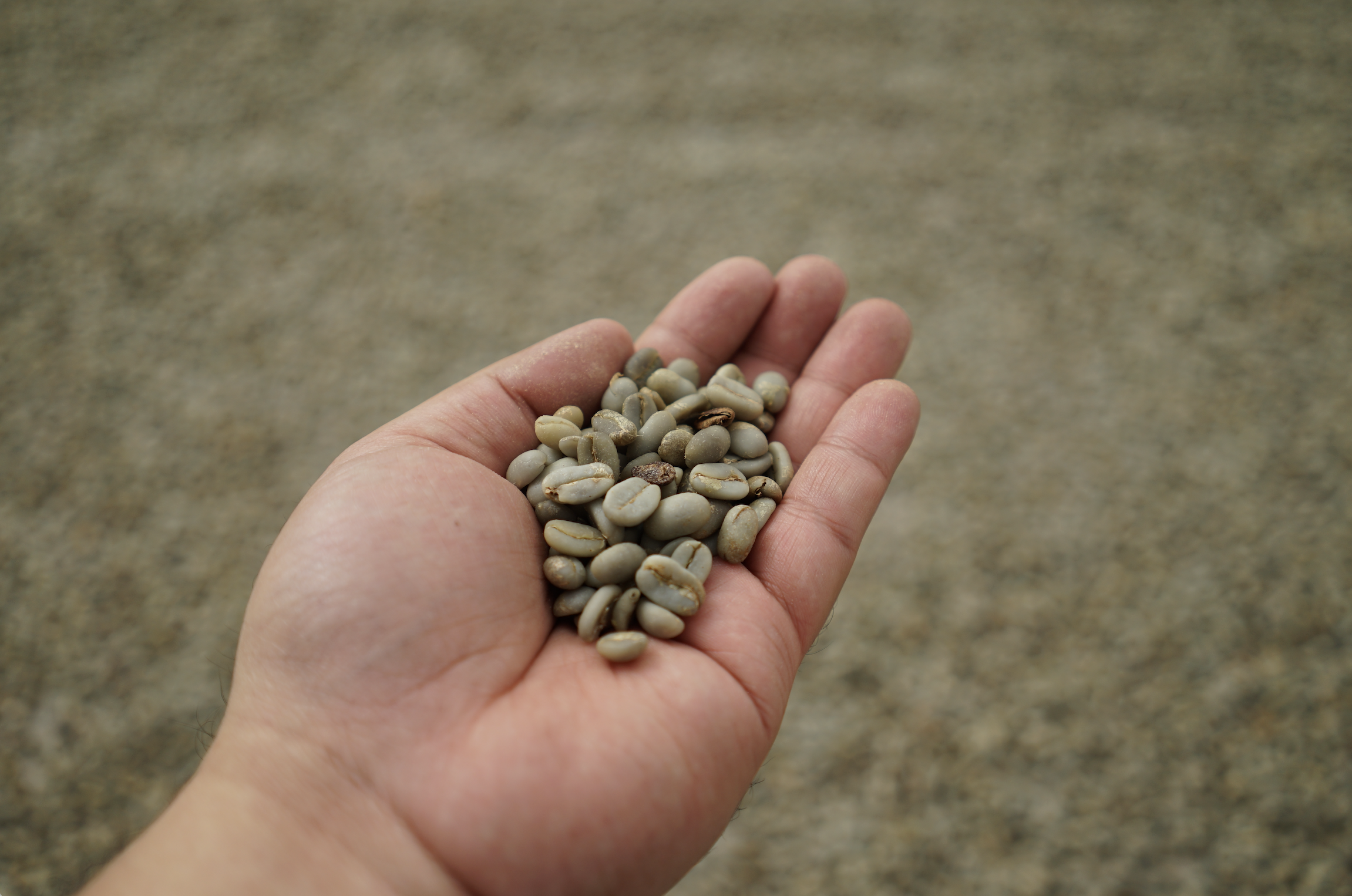
Coffee is an agricultural product. It behaves like one.
This sounds obvious, but it’s easy to forget when you’re dialling in a roast profile and building consistency around a particular cup. Coffee is grown in the ground, affected by weather, harvested by hand, and dried in the open air. Every single one of those variables shifts from year to year — sometimes slightly, sometimes significantly.
The wine industry has normalised this concept through the idea of vintages. A 2019 Burgundy is not the same as a 2021 Burgundy, and no one expects it to be. Coffee hasn’t quite landed on the same language yet, but the underlying reality is identical. Harvest variation is real, it’s normal, and understanding it will make you a better buyer.
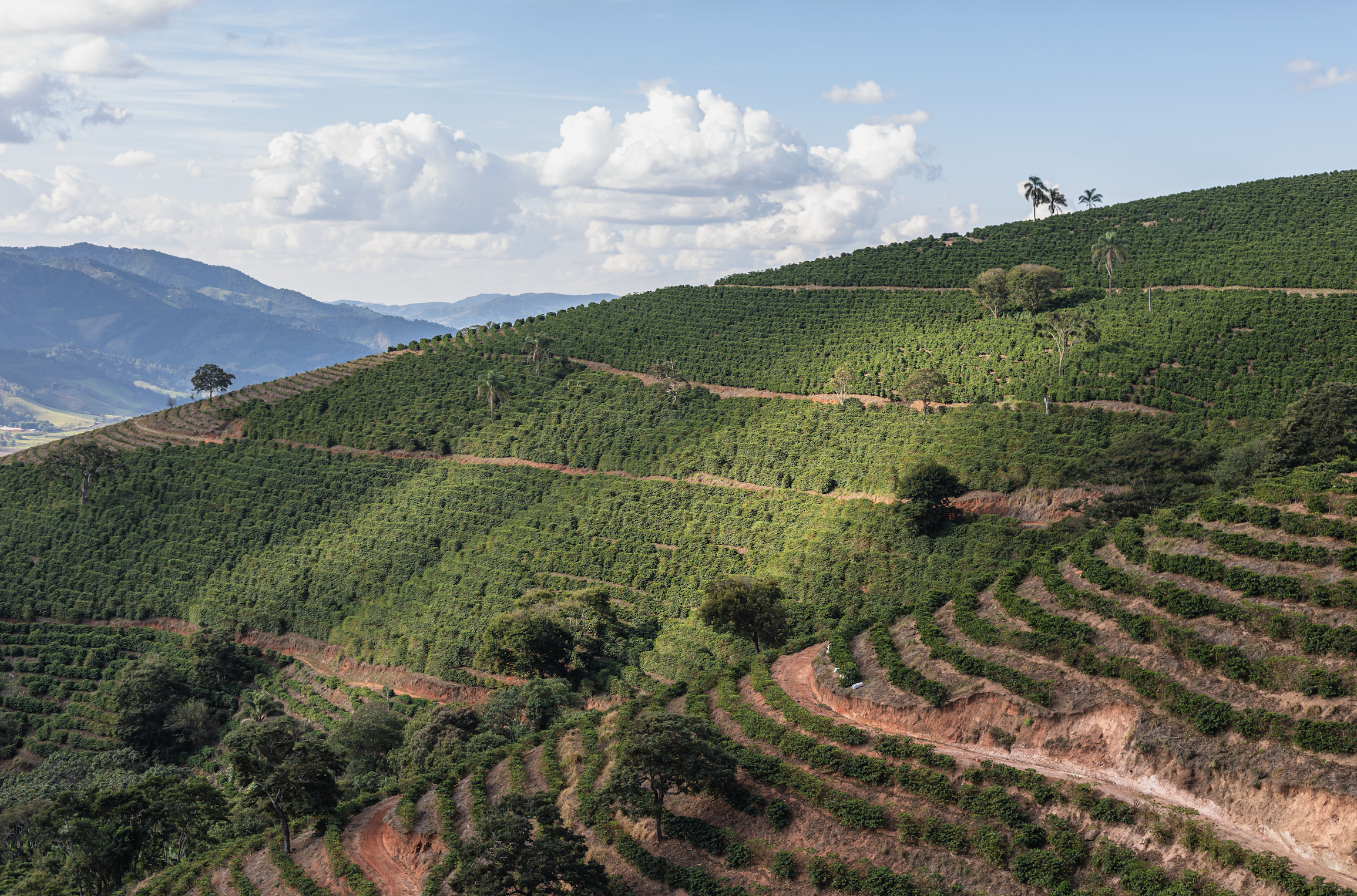 Credit: Brazil Carmo Coffees.
So what actually changes?
A few things, and they’re all connected.
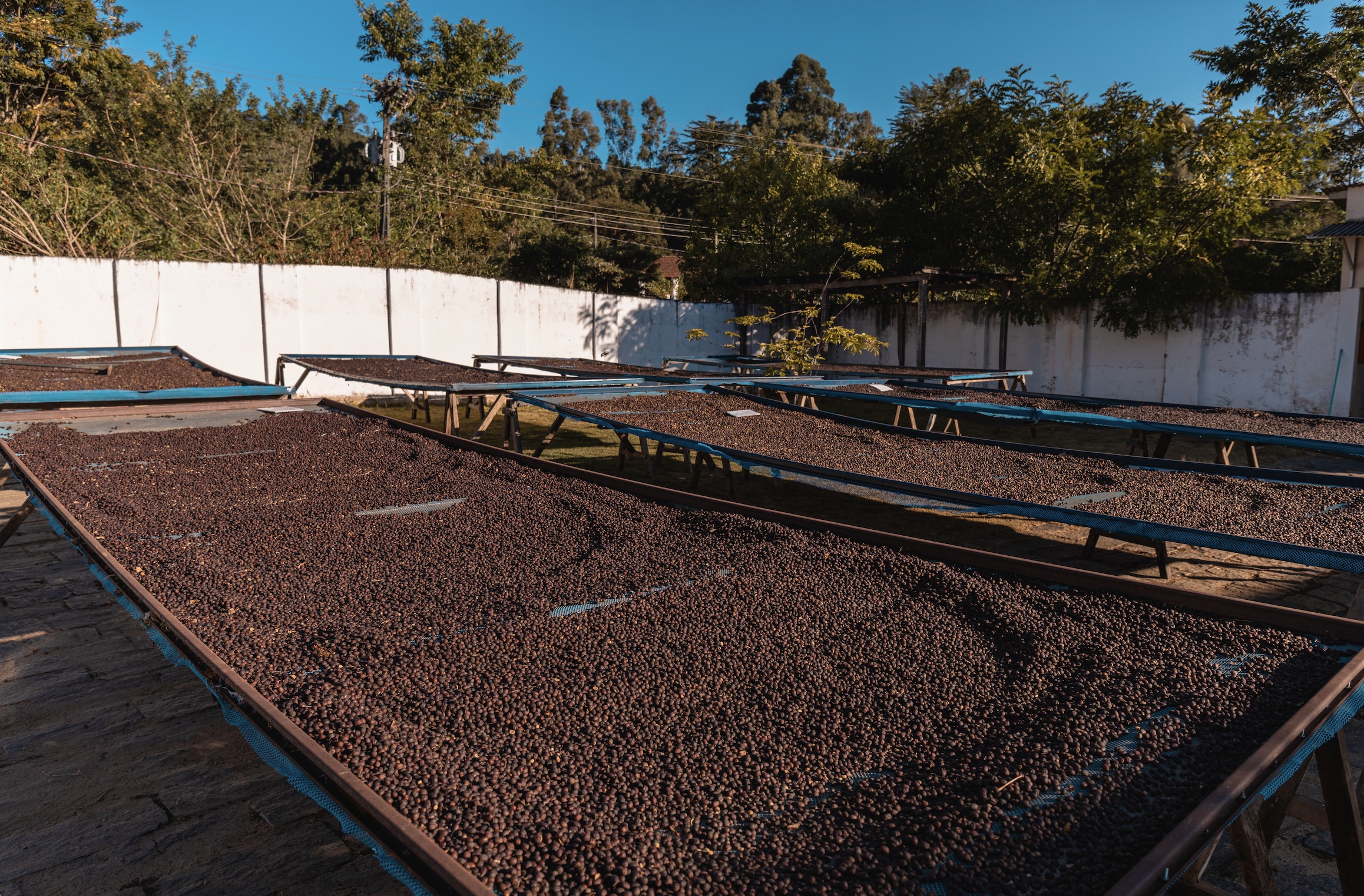 Credit: Brazil Beneficio Pedra Branca.
Does this mean the producer has done something wrong?
Almost never. And this is the part that’s important to sit with.
The producers we work with are skilled, meticulous, and deeply invested in quality. But they’re farming. They cannot control the weather. They cannot manufacture rainfall or lower the ambient temperature of a La Niña season. What they can do — and what the best producers do — is adapt. Adjusting fermentation times to compensate for temperature changes. Modifying drying protocols to account for humidity. Making real-time decisions with years of experience behind them.
Variation is not a failure of process. It’s a feature of the product.
What does this mean to you as a roaster?
A few practical things.
The bigger picture
Climate change is making harvest variation more pronounced, not less. The extreme weather events affecting Brazil’s Arabica output, the drought conditions across parts of East Africa, the temperature volatility at altitude — these aren’t isolated incidents. They’re patterns that are reshaping what’s available, when it’s available, and how it performs in the cup.
The roasters who navigate this well are the ones who stay curious and stay connected. They understand that the coffee they’re buying has had a year — and some years are harder than others.
That context doesn’t make the job easier. But it does make it more interesting.
If you want to talk through a specific origin or get across what’s coming in the next harvest cycle, reach out to the team:
USA: trade@opalcoffee.us
NZ: trade@opalcoffee.nz
AU: trade@opalcoffee.com.au
High altitude, diverse microclimates, and a coffee culture built over generations. Colombia isn’t just an origin — it’s a category of its own.
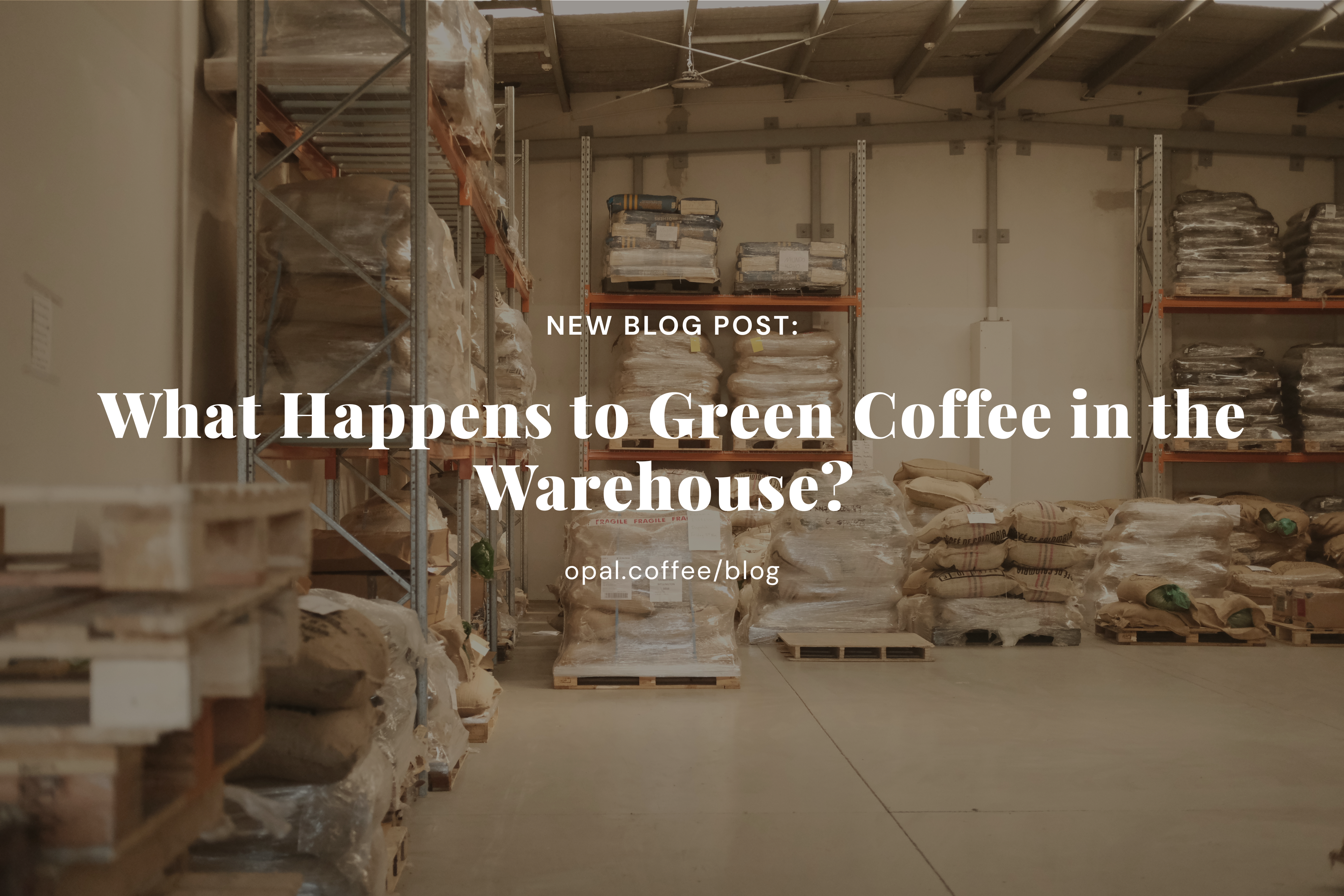
Storage, Condition, and What to Ask Your Importer