Basics of Coffee
Why the Same Coffee Can Taste Different Every Year
An honest conversation about harvest variation, and how factors like rainfall, temperature, and crop cycle affect what ends up in the bag.

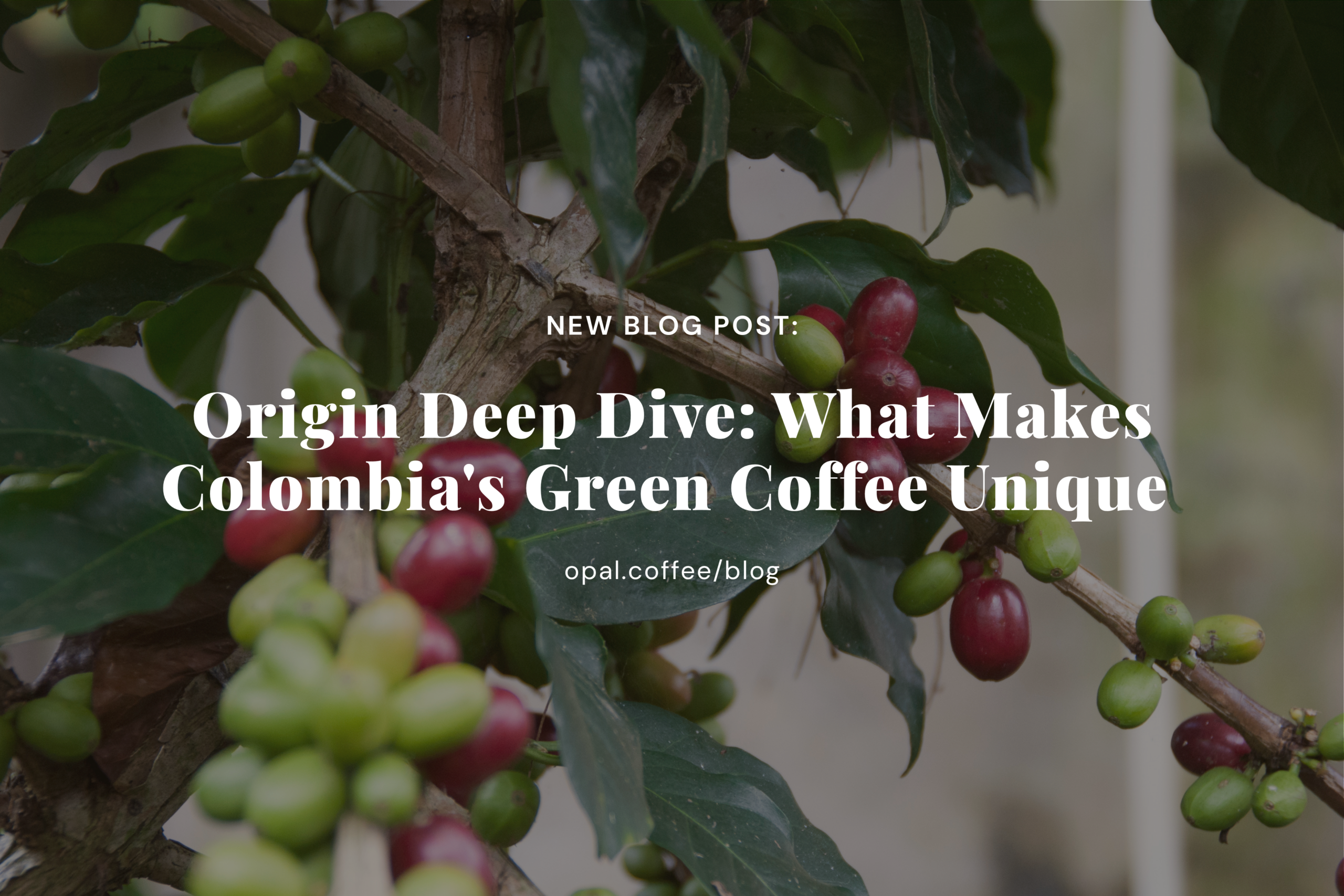
You already know Colombia produces coffee. Everyone does. It’s one of those origins so embedded in the global coffee conversation that it can almost become background noise — familiar to the point of being overlooked.
That’s a mistake worth correcting.
Colombia is one of the most geographically complex coffee-producing countries in the world, and that complexity translates directly into the cup. The range of what Colombian green coffee can offer — across regions, varieties, and processing methods — is genuinely impressive. If you’ve only ever reached for Colombian as a reliable, safe middle-of-the-road option, there’s a lot more to explore.
Let’s break it down.
Why Colombia is Different from the Start
Geography is everything in coffee, and Colombia has a lot of it working in its favour.
The country sits directly on the equator, which alone creates ideal conditions for year-round harvesting. But what sets Colombia apart is the Andes mountain range running through the country and splitting into three distinct cordilleras — the Western, Central, and Eastern ranges. These ranges create dramatically different growing environments within a single country, each with its own altitude, rainfall pattern, temperature range, and soil composition.
The result is that Colombian green coffee isn’t one thing. It’s many things, depending entirely on where you’re looking.
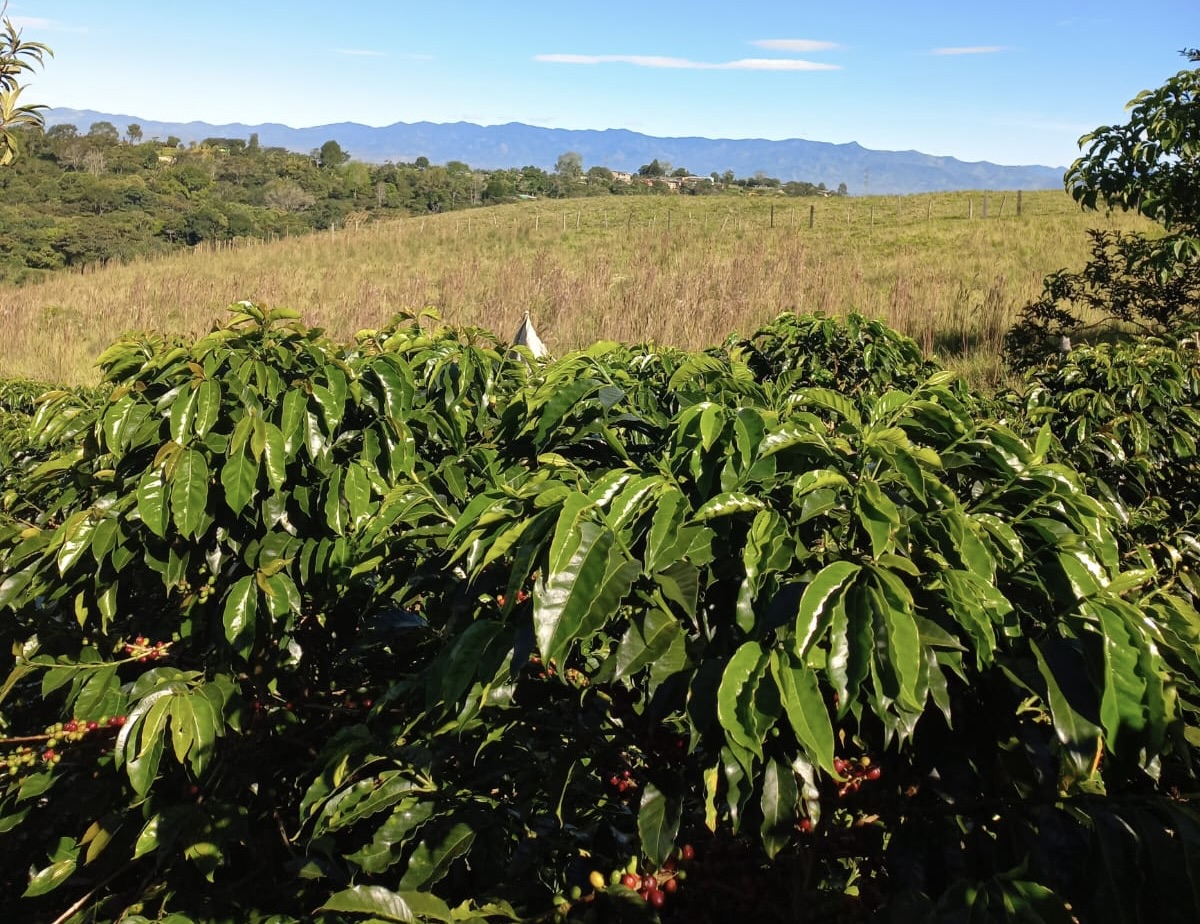
Most Colombian coffee is grown between 1,200 and 2,000 MASL, with some high-altitude farms pushing above that. The combination of altitude, equatorial light, and the pronounced wet and dry seasons produces beans with the kind of density and complexity that roasters want. High-grown beans develop more slowly, accumulating sugars and acids that contribute to a more complex cup.
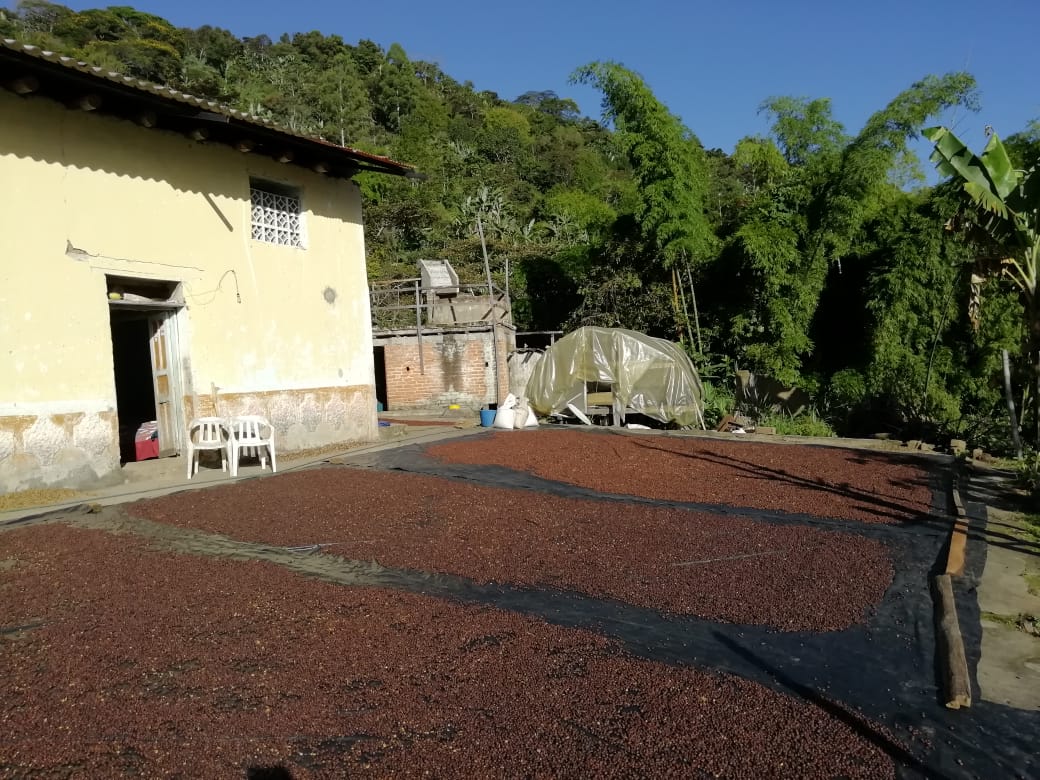 Credit: Colombia Producer Eduardo Armero Martinez, Huila.
The Key Producing Regions
Colombia has over twenty recognised coffee-growing departments, but a handful define the character of what most people associate with Colombian coffee — and what we work with most closely.
 Credit: Colombia Producer Alexander Cajiao Buitron.
Varieties Worth Knowing
Colombia’s variety landscape has been shaped by a blend of tradition, disease pressure, and decades of agricultural research — primarily through Cenicafé, the country’s national coffee research centre.
Caturra is the most widely grown variety in Colombia, a compact mutation of Bourbon that suited the country’s terrain and smallholder farm model well. It offers bright acidity and good cup quality, though it’s susceptible to coffee leaf rust (la roya), which has been a persistent challenge for Colombian producers.
Castillo was developed specifically to address that rust problem. Created by Cenicafé, Castillo is a rust-resistant hybrid that now dominates many farms. There’s ongoing debate in specialty circles about whether Castillo cup quality matches Caturra — the honest answer is that it depends heavily on altitude, processing, and how the farm is managed. At its best, Castillo produces a clean, balanced cup; at lower altitudes or in less careful hands, it can lack the complexity of older varieties.
Colombia variety (also a Cenicafé development) and newer introductions like Cenicafé 1 continue that lineage — disease resistance balanced against cup quality in various proportions. The research coming out of Cenicafé is genuinely serious work, and the newer releases are increasingly competitive in the cup.
Pink Bourbon has become one of the most talked-about varieties in Colombian specialty coffee. Whether it’s a true variety or a phenotypic expression is still debated botanically, but the cup often speaks for itself — distinctive sweetness, floral aromatics, and fruit-forward complexity that scores consistently well. Expect to pay a premium, and expect it to be worth it on the right lot.
Processing in Colombia: Washed Dominant, But Evolving
Colombia has historically been a washed-coffee country. The traditional method — pulping the cherry, fermenting in water tanks, then washing and drying — produces the clean, bright acidity and clarity that Colombian coffee is known for. It’s a process that suits the country’s flavour profile and the infrastructure most farms have built around it.
That’s still the dominant approach. But it’s changing.
Natural and honey processing have been gaining ground, driven partly by the global specialty market’s appetite for more complex, fruit-forward profiles and partly by producers looking to differentiate their lots. In a country where washed coffee is the baseline, a well-executed Colombian natural can be genuinely exciting — the underlying fruit potential of the bean amplified rather than washed away.
Experimental fermentation methods are also appearing. Anaerobic and carbonic maceration lots from Colombian producers are becoming more available, particularly from producers who’ve been watching the specialty market closely and investing accordingly. These aren’t mainstream yet, but they’re worth knowing about as they represent some of the more expressive green coffee we see coming through.
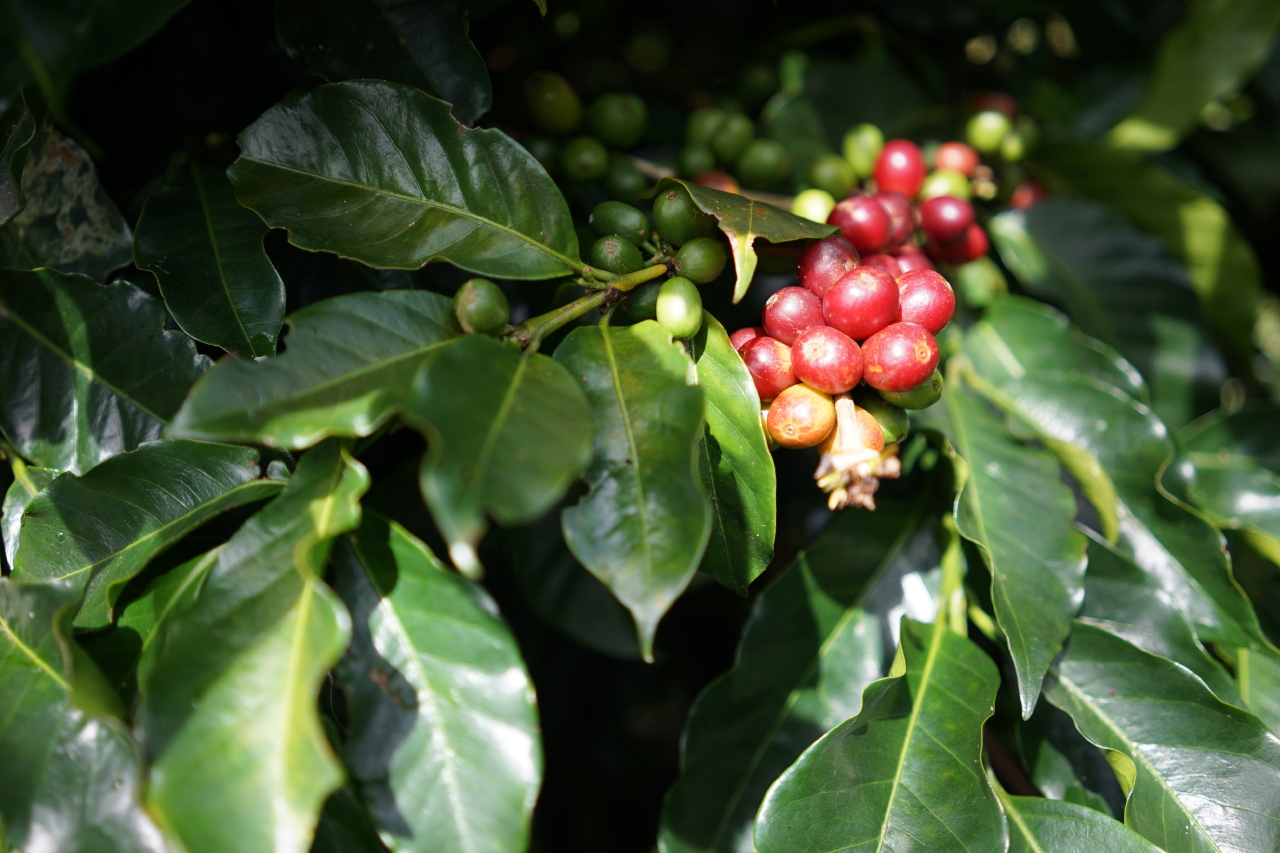 Credit: Opal Coffee
What to Expect in the Cup
Colombian coffee covers a wide range, which is part of what makes it interesting. But there are some reliable tendencies.
Classic Colombian profiles from traditional washed lots tend toward medium-to-full body, balanced acidity (often citric or malic), and sweetness that reads as caramel, brown sugar, or milk chocolate. Red and stone fruit notes appear frequently. It’s a profile that works across a wide roast range, which contributes to Colombia’s popularity as a blend component as much as a single origin.
Specialty-grade Colombian — particularly from Huila, Nariño, or Cauca at high altitude — pushes further. Brighter, more complex acidity. More defined fruit character. A longer, cleaner finish. These are the lots that score above 85 and justify being front-and-centre on a single origin menu.
When processing enters the picture, the range extends further. A honey-processed Colombian from high altitude can have a sweetness and body that surprises people. A natural from a skilled producer in Huila can be intensely fruity without tipping into ferment. The variety underneath matters too — Pink Bourbon lots, when you find a good one, often stand out even in a blind cupping.
Colombia in the Current Market
Colombia, like most origins, has not been immune to the pressures on the C-market over the past year. As green prices have risen, so has the cost of Colombian coffee. The country purchases against the C-price, which means roasters should expect continued price sensitivity here.
What’s worth noting is that Colombia’s internal coffee infrastructure — the Federación Nacional de Cafeteros (FNC), the decades of Cenicafé research, and a large smallholder farming base with strong cooperative networks — gives it some structural resilience compared to origins with less institutional support. That doesn’t mean prices aren’t moving; they are. But it does mean the quality pipeline tends to hold up even under pressure.
As importers, we work directly with producers and cooperatives to lock in quality lots from the regions that are performing best each harvest. Colombia has two main harvest periods — the primary (mitaca) runs from October to February across most regions, with a secondary harvest in the mid-year depending on the department — which gives us more flexibility to bring in fresh crop across a longer window than most origins.
The depth of what this origin offers — across regions, varieties, and processing methods — means there’s always something worth exploring, whether you’re sourcing a reliable everyday espresso component or hunting for a high-altitude Pink Bourbon that’ll anchor your single origin menu.
If you want to know what’s in the catalogue right now or talk through which Colombian lots suit what you’re roasting, get in touch.
An honest conversation about harvest variation, and how factors like rainfall, temperature, and crop cycle affect what ends up in the bag.
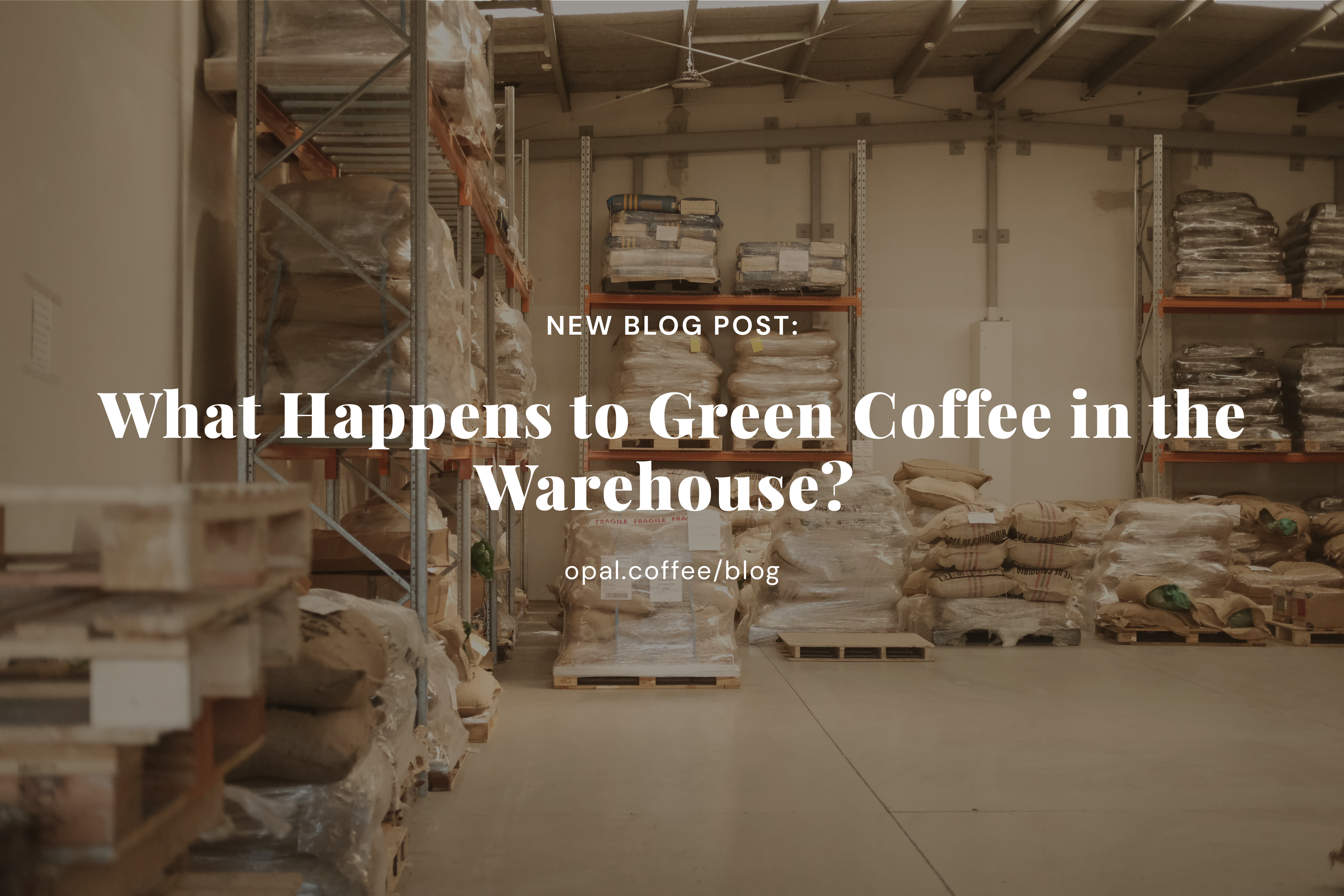
Storage, Condition, and What to Ask Your Importer