Understanding Coffee Processes: Carbonic Maceration Explained
As we continue our series discussing processing methods, the next is carbonic maceration, a somewhat newer processing method that is gaining popularity.

It’s been a while since we talked about Opal Coffee’s sourcing practice and thought it would be a great idea to share with you one of our initiatives around sourcing practices that Opal Coffee has implemented.
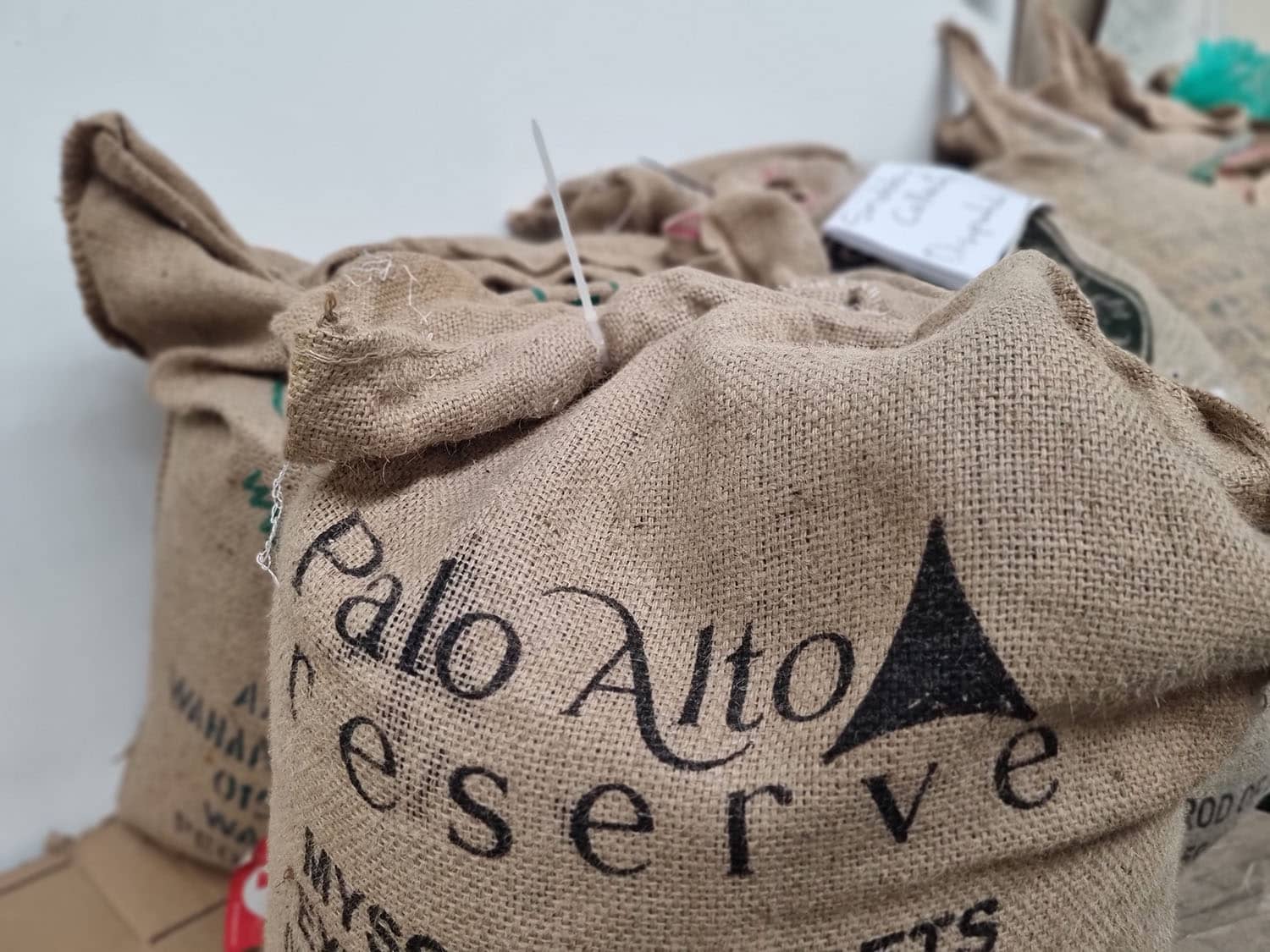
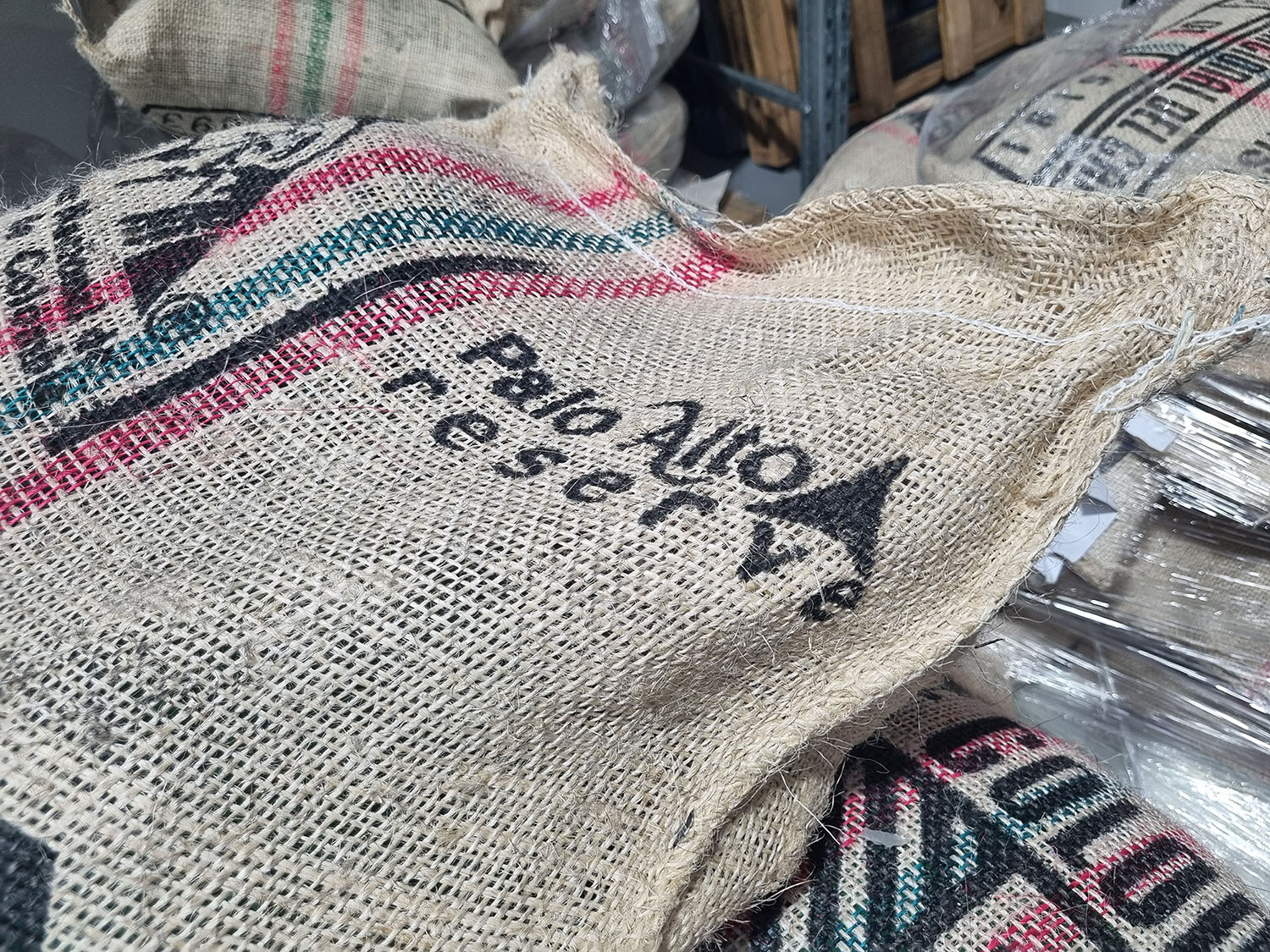
Coffee is something that can bring people and communities together, whether it is sharing a freshly brewed cup of coffee, or developing and maintaining strong relationships with the amazing people who produce, grow, and supply our coffee. Coffee connects people. One of Opal Coffee’s sourcing practices around green beans is the Palo Alto Reserve.
Palo Alto Reserve criteria is focused on quality, reliable supply, and relationships. These regional coffees guarantee a minimum cupping score of 83 points, provide a constant supply and delivery from year to year, and build long-lasting ties between growers and roasters.
We have implemented the Palo Alto Reserve programme internally to ensure that all origins involved adhere to a strict code of quality and ethics. We seek out coffee that consistently achieves a score of 83 or higher on the Specialty Coffee Association (SCA) scale. Furthermore, we greatly value suppliers who consistently and reliably meet our supply needs. In addition, our focus lies on investing in social programmes such as the Palo Alto Programme at Wahana Estate in North Sumatra, Indonesia, providing free healthcare, free education and free workers’ accommodation.
One example that exemplifies our unwavering dedication to the coffee industry is the Palo Alto programme, where the tireless efforts of the women involved profoundly shaped the success of our product.
They have a vital role in maintaining the coffee’s quality by performing tasks like sorting and drying the red coffee cherries, as well as roasting and grinding the coffee beans. Opal Coffee is committed to sustainable development in our sourcing practices.
“Our commitment extends to ensuring a responsible and transparent supply chain, while also striving to enhance the well-being of local communities.”
We are excited to be receiving some very nice Grade 1 coffee from Ethiopia from Haileslassie Ambaye due to land in July/August. What we love most about these coffees are the vibrant, tropical, complex characteristics these coffees offer. This container contains a good supply of washed and natural offerings from Yirgacheffe and Guji.
Keen to try some of these juicy coffees? These will be available in both Australia and New Zealand with a slightly more limited supply in New Zealand, so if you are interested at all, please get in touch with our New Zealand office:
trade@opalcoffee.nz or our Australia office: trade@opalcoffee.com.au
With a strong relationship with Cafe de Colombia, we maintain a healthy supply of classic regional blenders and microlots every year. With a container freshly landed in both the US and NZ, there is a good selection of coffee from Huila, Cauca and Planadas Departments along with a range of interesting and delicious microlots.
For availability, please get in touch with our US office:
trade@opalcoffee.us or our New Zealand office: trade@opalcoffee.nz

As we continue our series discussing processing methods, the next is carbonic maceration, a somewhat newer processing method that is gaining popularity.

Imagine securing incredible high quality specialty lots, shipping them, only to find upon arrival, after cupping, they are sitting a few points below your initial scores based on pre-shipment samples. This could likely be due to water activity being too high.