
Basics of Coffee
Origin Deep Dive: What Makes Ethiopia’s Green Coffee Unique
Ethiopia is widely recognized as the birthplace of coffee, discovered by a goat herder named Kaldi during the 9th Century.

You’ve seen the terms on bags, menus, and green coffee offerings. Single origin. Blend. Microlot. They get used a lot, and sometimes interchangeably, which is where things start to get confusing. So let’s clear it up.
Understanding the difference between these three categories isn’t just trivia. It shapes how you buy green coffee, how you roast it, how you market it, and ultimately what ends up in your customer’s cup. Whether you’re a roaster building a menu or someone who wants to understand what they’re actually drinking, this one’s for you.
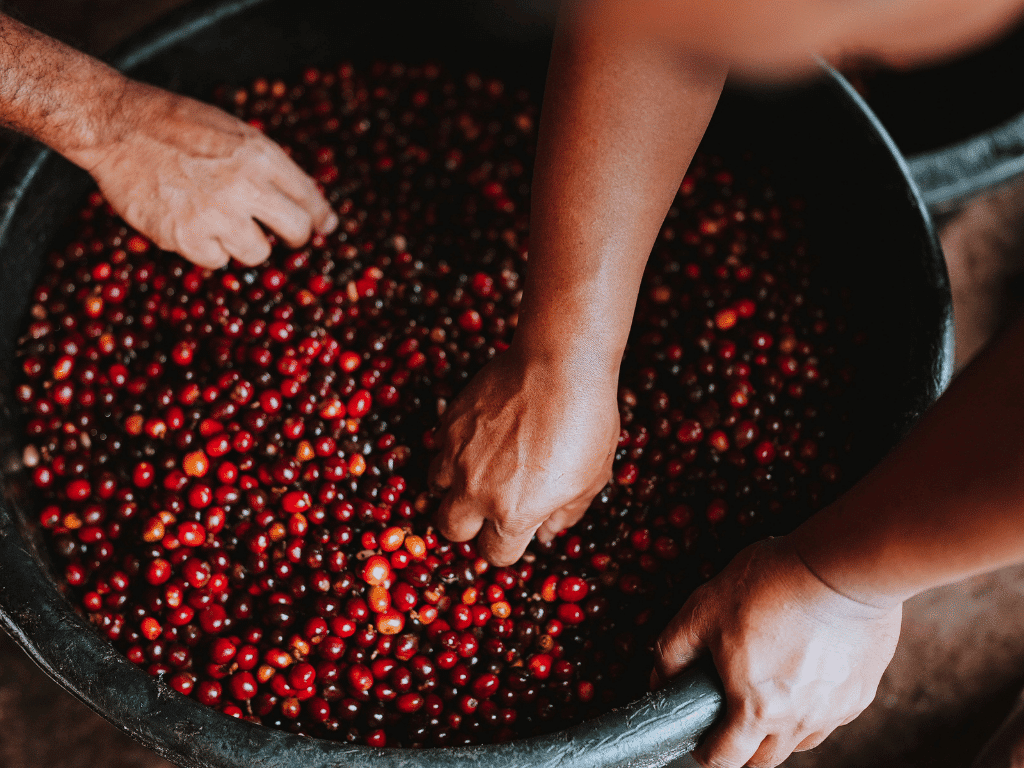
A single origin coffee comes from one specific country, region, or farm. The idea is traceability – you know where the coffee is from, and ideally, a fair bit about how it was grown and processed.
Single origins are a cornerstone of specialty coffee because they allow the terroir of a place to speak for itself. An Ethiopian Yirgacheffe tastes like an Ethiopian Yirgacheffe for a reason – the altitude, the soil, the climate, the processing method, and the variety all contribute to a flavour profile that couldn’t have come from anywhere else. That’s what makes them interesting.
Colombian coffee is known for its balanced flavour, mild acidity, medium-full body, and smooth. Notes often include caramel, chocolate, nuts, and fruit undertones.
Ethiopian coffee is known for vibrant and complex flavour profiles which often showcase bright citrus, floral, berry and stone fruit flavours. Praised for their light-to-medium body, tea-like cleanliness, and high acidity.
Kenyan coffee is best known for vibrant, crisp or sparkling aciditly. Often described as wine-like. Flavours that are common are black current, raspberry, grapefruit and citrus. Generally, a heavy and syrupy body which provides a very balanced cup.
The most important thing about Single Origin is the traceability, where every bag can be traced back to the origin source, which means you know exactly where it was grown and who produced it.
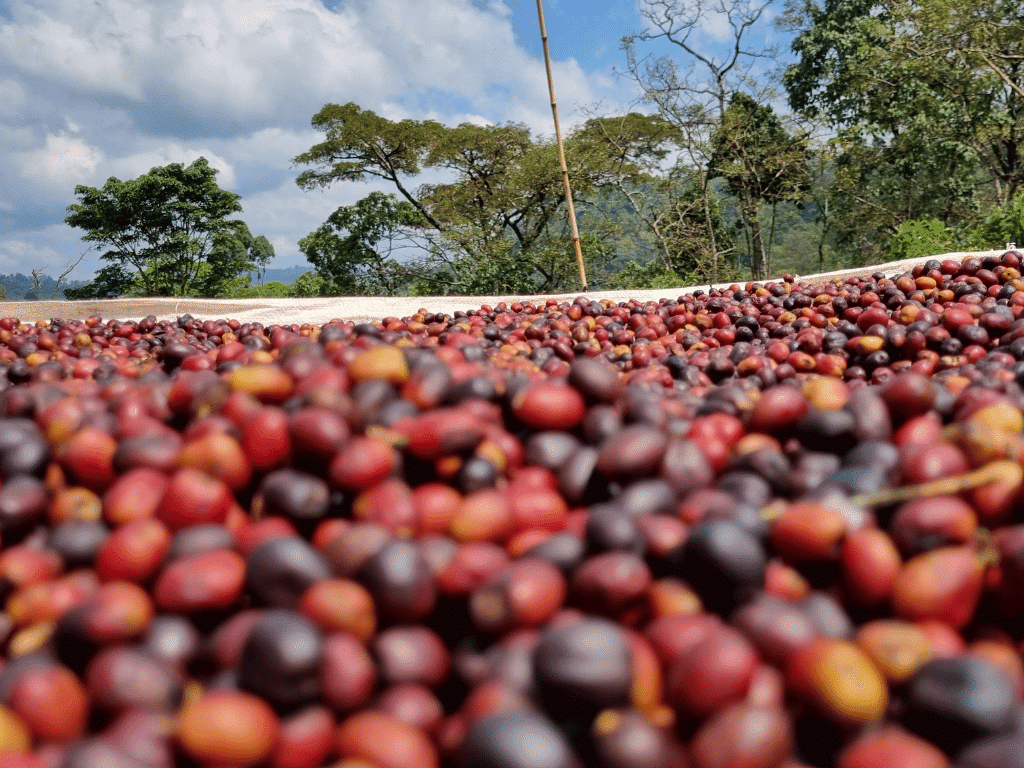
From a roasting perspective, single origins are usually best suited to lighter to medium roasts that preserve the origin characteristics rather than override them with roast flavour. They can be less forgiving if something is off – but when they’re right, they’re remarkable.
Single origins are also seasonal. Coffee harvests happen once a year, which means when a lot is gone, it’s gone. This is part of what makes them excited and part of what makes planning ahead so important.
A blend is exactly what it sounds like – two or more single origin coffees combined, usually from different origins, to achieve a specific and consistent flavour profile.
This is where blends sometimes get an unfair reputation. In specialty coffee circles, ‘blend’ can sound like a compromise, as if you’re combining coffees to hide their flaws. That’s not quite right. A well-constructed blend takes deliberate skill. The goal is to build something great – balancing acidity, body, sweetness, and consistency in a way that a single origin might not always achieve on its own.
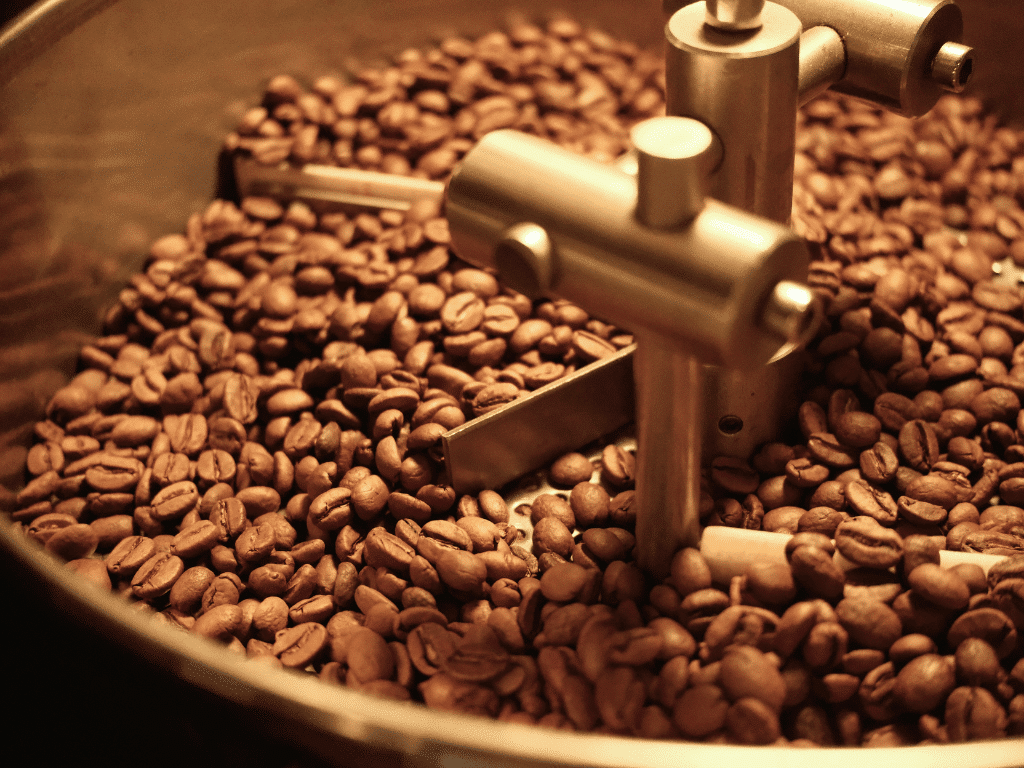
Blends are particularly valuable for espresso. A coffee that is bright and juicy as a filter can be overwhelming as an espresso concentrate. Blending with something fuller-bodied and lower in acidity – say, a Brazilian natural – can create a more balanced and milk-friendly espresso that performs consistently throughout the year. This is great for cafes.
Consistency is the other reason roasters reach for blends. Because individual origins change from harvest to harvest, a good blend can be tweaked each season to maintain the same flavour profile, even as the component coffees shift. For café operators and customers who want to know exactly what they’re getting, that reliability matters.
Here’s where it gets interesting. A microlot is a small, highly specific parcel of coffee that has been separated out at the farm or processing station level because of its exceptional quality or unique character.
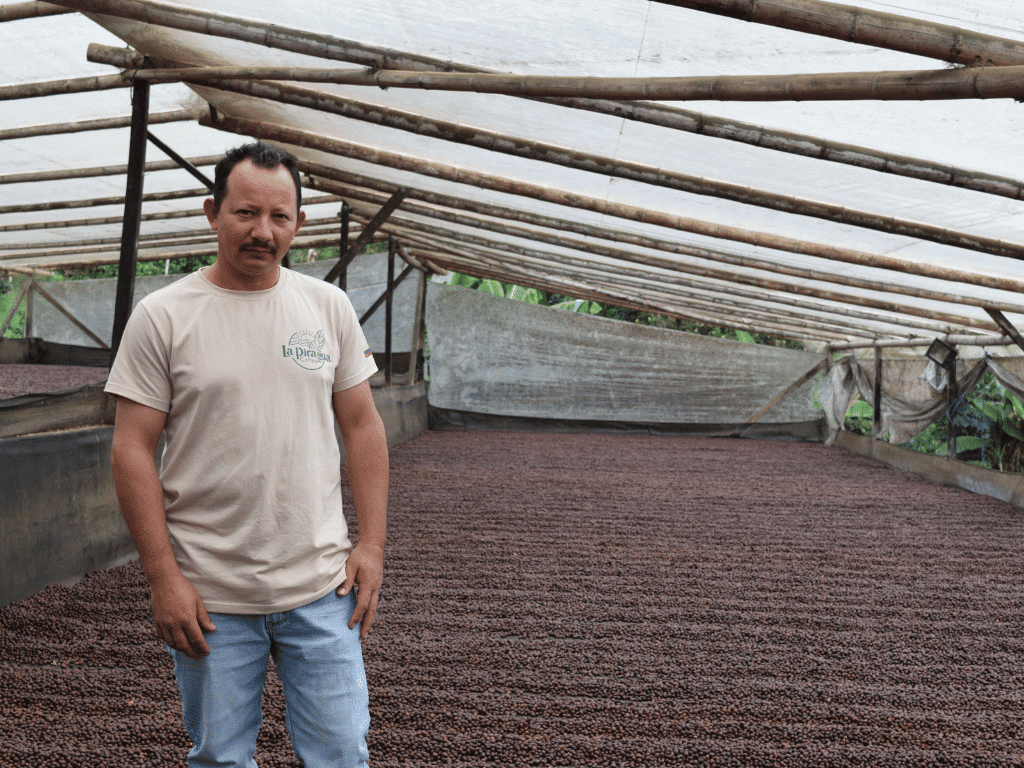
Think of it this way: A producer might have 20 hectares of coffee, but there’s one particular block – maybe at a higher elevation, with a specific varietal, harvested at peak ripeness – that outperforms everything else on the farm. Rather than letting that coffee disappear into the general lot, they separate it out. That’s a microlot.
Microlots are typically traceable to a specific plot, processing method, varietal, and harvest date. The volumes are small – sometimes just a few bags. And the scores are usually high. It’s not uncommon to see microlots scoring above 87 or 88 on the SCA scale, often well above.
They’re also priced accordingly. The separation, sorting, and handling involved in producing a true microlot takes extra labour and care, and that’s reflected in the cost. In the current market, this is worth understanding. As we’ve discussed before, the premium you pay for exceptional quality is proportionally smaller than it’s ever been – and the difference in the cup is absolutely not.
Good question. Honestly, the answer for most roasters is all three, used intentionally.
Knowing what differentiates these categories makes you a better buyer and a better communicator. When you understand why a microlot requires a higher price, or what a blend is actually trying to achieve, you can speak to your customers with confidence and make purchasing decisions that actually serve your business.
As always, if you want to talk through what’s available, get in touch with the team.
US: trade@opalcoffee.us
NZ: trade@opalcoffee.nz
AU: trade@opalcoffee.com.au
Ethiopia is widely recognized as the birthplace of coffee, discovered by a goat herder named Kaldi during the 9th Century.
As we continue our series discussing processing methods, the next is carbonic maceration, a somewhat newer processing method that is gaining popularity.
