The Washed Process Explained
The most common method in specialty coffee — and why it matters more than you might think.
You’ve cupped the pre-shipment samples. The scores are strong. The lot is booked. And then you wait.
What happens between that moment and the coffee arriving at your roastery is something most roasters rarely think about. But it matters more than you’d expect. Green coffee doesn’t just sit passively in a warehouse — it’s either being protected or it’s slowly degrading. And which of those is happening depends entirely on how it’s being stored.
As importers, this is where a big part of our job actually happens.
Green coffee isn’t just sitting there
There’s a common assumption that green coffee, once dried and bagged, is stable. Relatively speaking, it is — compared to roasted coffee. But relatively stable isn’t the same as inert. Green coffee is a living product, and its environment during storage has a direct influence on what ends up in your roaster months later.
Temperature fluctuations cause moisture to migrate within the bag. High humidity environments can push water activity into the danger zone. Poor airflow leads to uneven ageing. And none of this is visible from the outside of a jute bag sitting in a stack of pallets.
This is why warehouse conditions aren’t a footnote — they’re a continuation of the producer’s work.
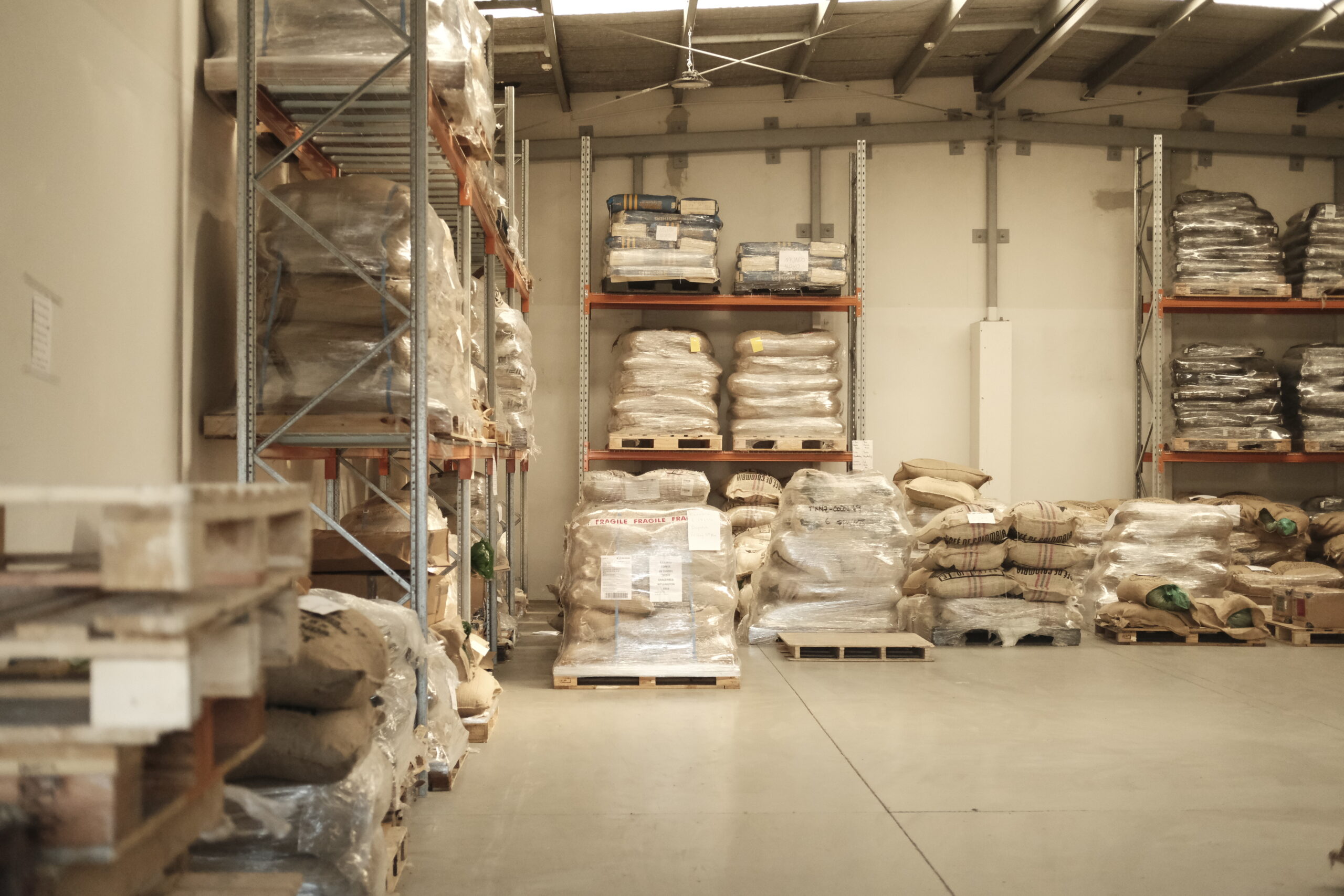 Credit: Opal Coffee NZ.
Temperature and humidity — the two things that matter most
The ideal storage environment for green coffee sits somewhere between 15–25°C with relative humidity below 65%. Simple enough in theory. But warehouses — especially in coastal cities or tropical climates — don’t always cooperate.
When ambient humidity rises, green coffee absorbs moisture from the air. Moisture content creeps up. Water activity follows. And from there, the risks that most roasters associate with the farm — mould, fermentation, chemical instability — can actually occur in transit or in storage, long after the coffee has left origin.
The same logic applies to temperature. Consistent is good. Fluctuating is not. A warehouse that swings from 12°C overnight to 35°C in the afternoon is working against you, regardless of what the coffee’s initial water activity reading was when it arrived.
How the coffee is packed inside the warehouse
We’ve talked about GrainPro and Ecotact liners before — hermetic bags that create an airtight barrier around the coffee inside a standard jute or polypropylene outer. In an ideal world, every specialty lot arrives in hermetic packaging and stays that way until it reaches you.
In practice, things get more complicated. Some lots arrive in jute only. This is not common, but it can happen. Some bags get damaged in transit. Some producers use traditional packaging because it’s what they have access to. What matters is what your importer does about it — do they repack at-risk lots into hermetic liners? Do they document the condition coffee arrives in? Do they flag issues before you place a purchase order? For Opal Coffee, the answer is yes to all these questions.
These aren’t unreasonable questions. They’re the questions worth asking.
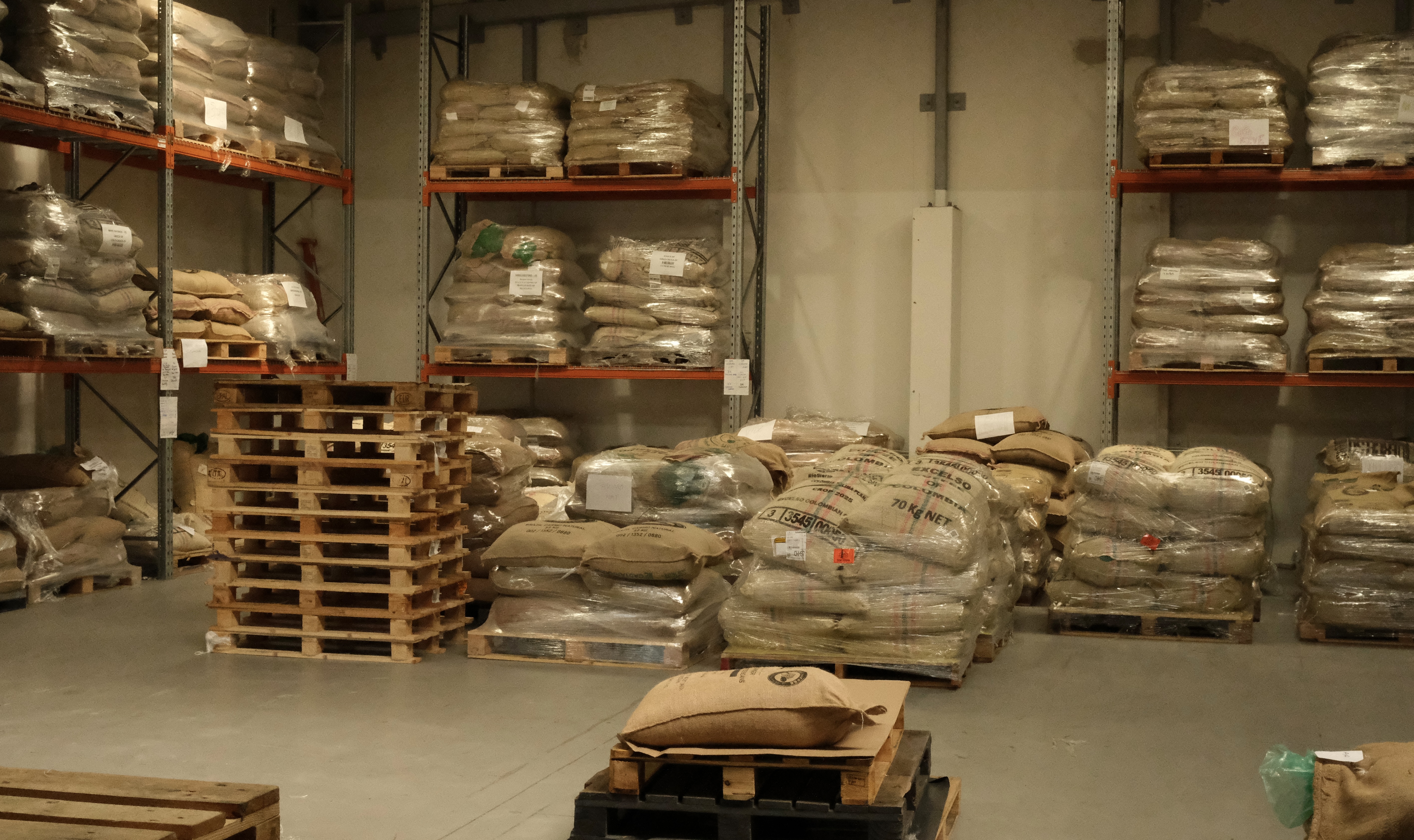
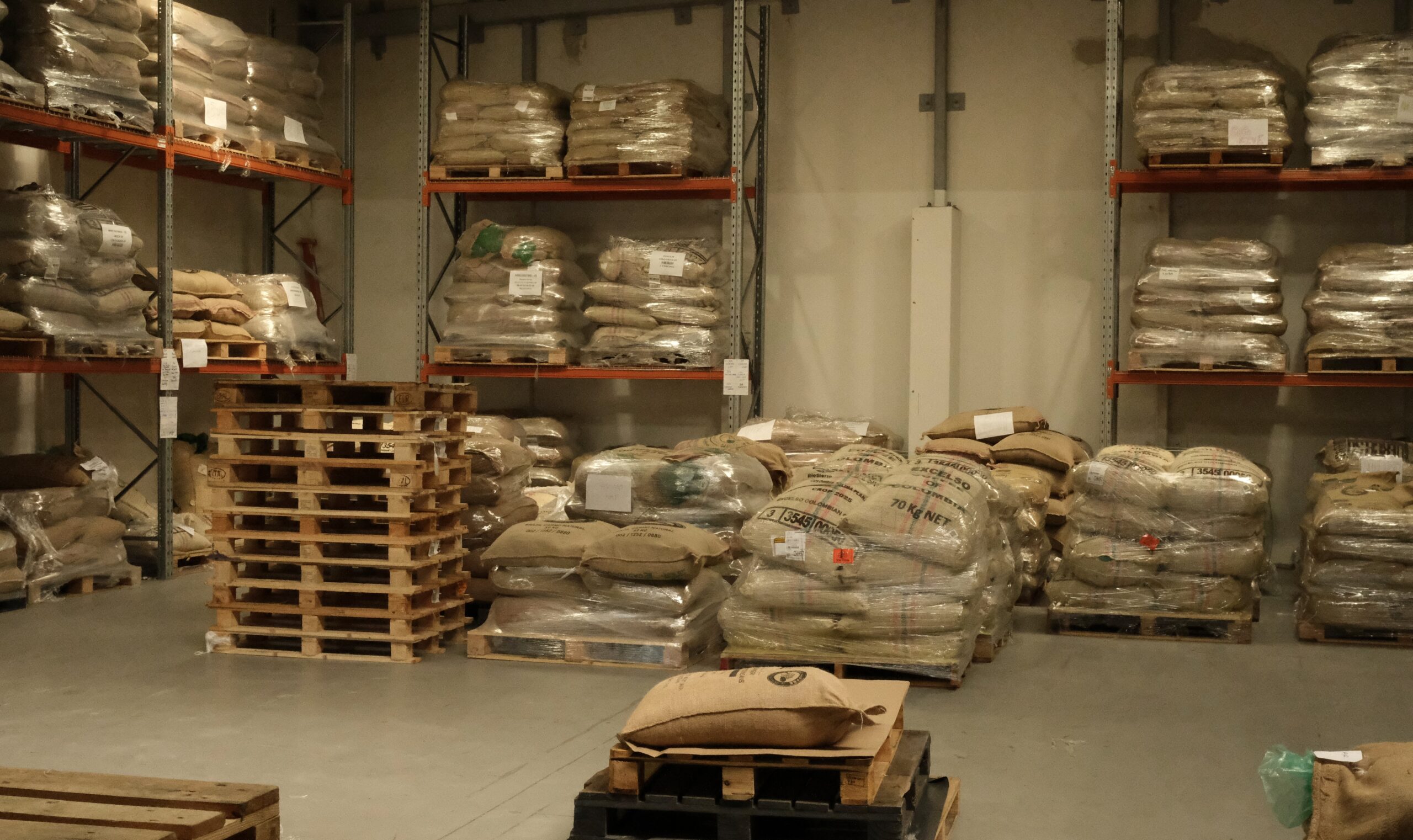 Credit: Opal Coffee NZ
How it’s stacked and rotated
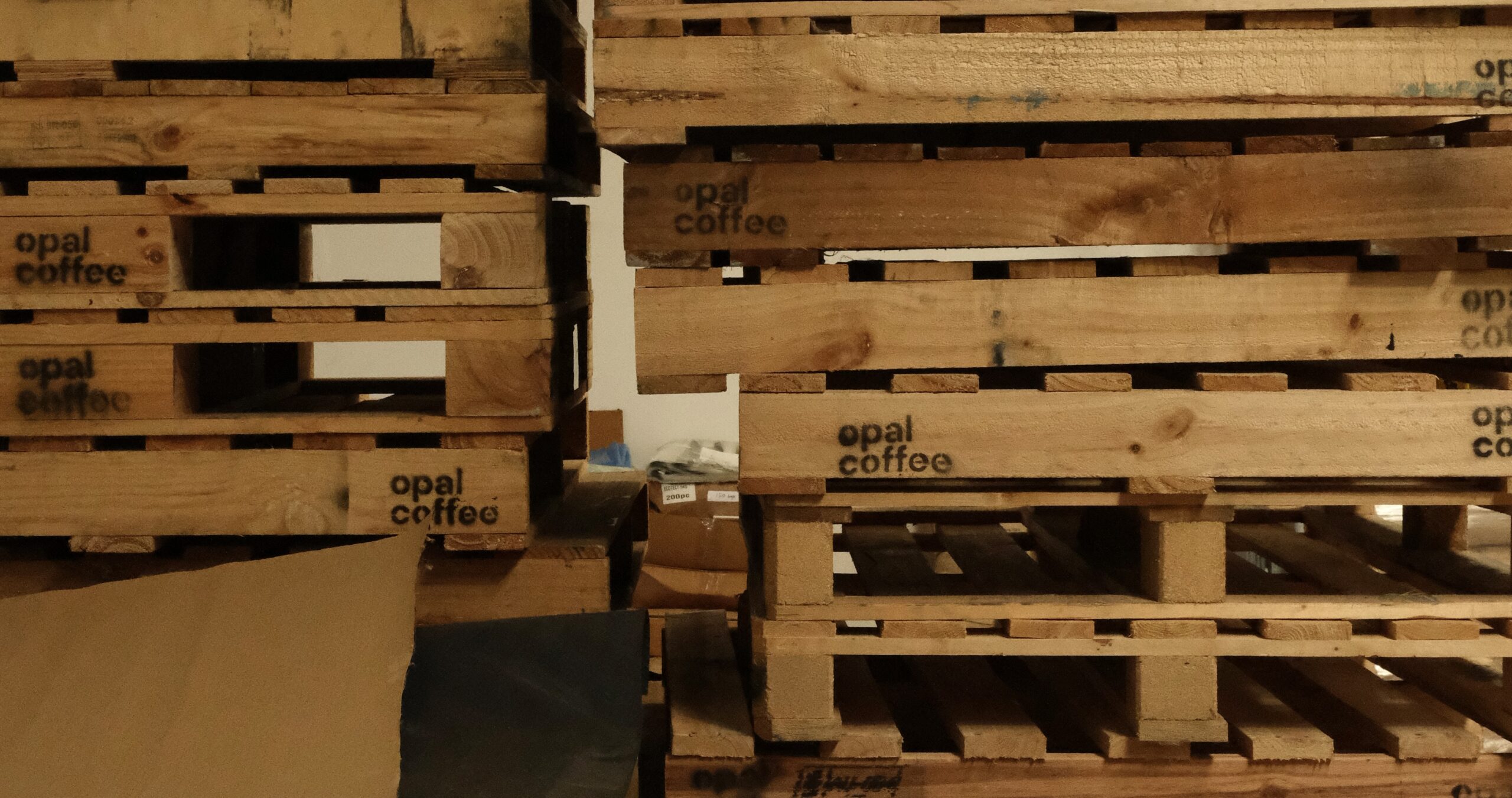
Physical storage matters too. Green coffee should be stored off the ground — on pallets — to allow airflow beneath the bags and reduce the risk of moisture wicking up from concrete floors. This is not only to allow airflow beneath the bags, but to be able to move 600-700kg at ease with a forklift. Bags stacked too high can compress the coffee at the bottom. Coffee stored against external walls in a warehouse is exposed to more temperature variation than coffee stored centrally.
Stock rotation is another one. First in, first out sounds obvious, but it requires good inventory management. Coffee that gets buried behind new arrivals and sits for twelve months longer than intended is a real problem — even when it’s been stored correctly.
A good importer can tell you when your coffee arrived in-country, when it was tested on arrival, and how long it’s been sitting. That’s not administrative detail — it’s directly relevant to the quality you’re purchasing. This is done through meticulous monitoring of incoming shipments, ensuring correct ICO’s are out the door first.
What to actually ask your importer
Good question. Here’s a practical list.
- What packaging did this lot arrive in? GrainPro, Ecotact, jute only? If jute, was it repacked? Understanding this helps you know what the coffee has been exposed to.
- Was the coffee tested on arrival? Moisture content and water activity readings taken at the warehouse give you a baseline — and tell you whether the coffee arrived in the condition it left origin in.
- When did this coffee arrive, and how long has it been in storage? Green coffee can hold well for 12+ months in good conditions. But knowing the timeline helps you plan and make informed decisions about lot selection.
- Has there been any quality deviation from the pre-shipment sample? Any importer worth working with should tell you proactively. But asking the question keeps the conversation open.
 Credit: Opal Coffee NZ.
What this looks like on our end
For us, warehouse management is part of the product. It’s not a back-of-house operation that happens invisibly — it’s something we actively manage because we know the quality of the coffee you roast depends on it.
We cup arrival samples. We test moisture content and water activity when lots come in. We track storage conditions. We flag deviations. And if something doesn’t look right between a pre-shipment sample and arrival, we’ll tell you before you place an order — not after.
Because at the end of the day, our job isn’t just to move coffee. It’s to make sure that the lot you read about on a spec sheet is the same coffee you’re roasting three months later. That continuity — from origin to your roastery — is exactly what good importing looks like.
If you want to know more about how we store and handle green coffee — or if you have questions about specific lots you’re considering — reach out to the team.
Offerlist – Australia
Offerlist – New Zealand
Offerlist – USA